


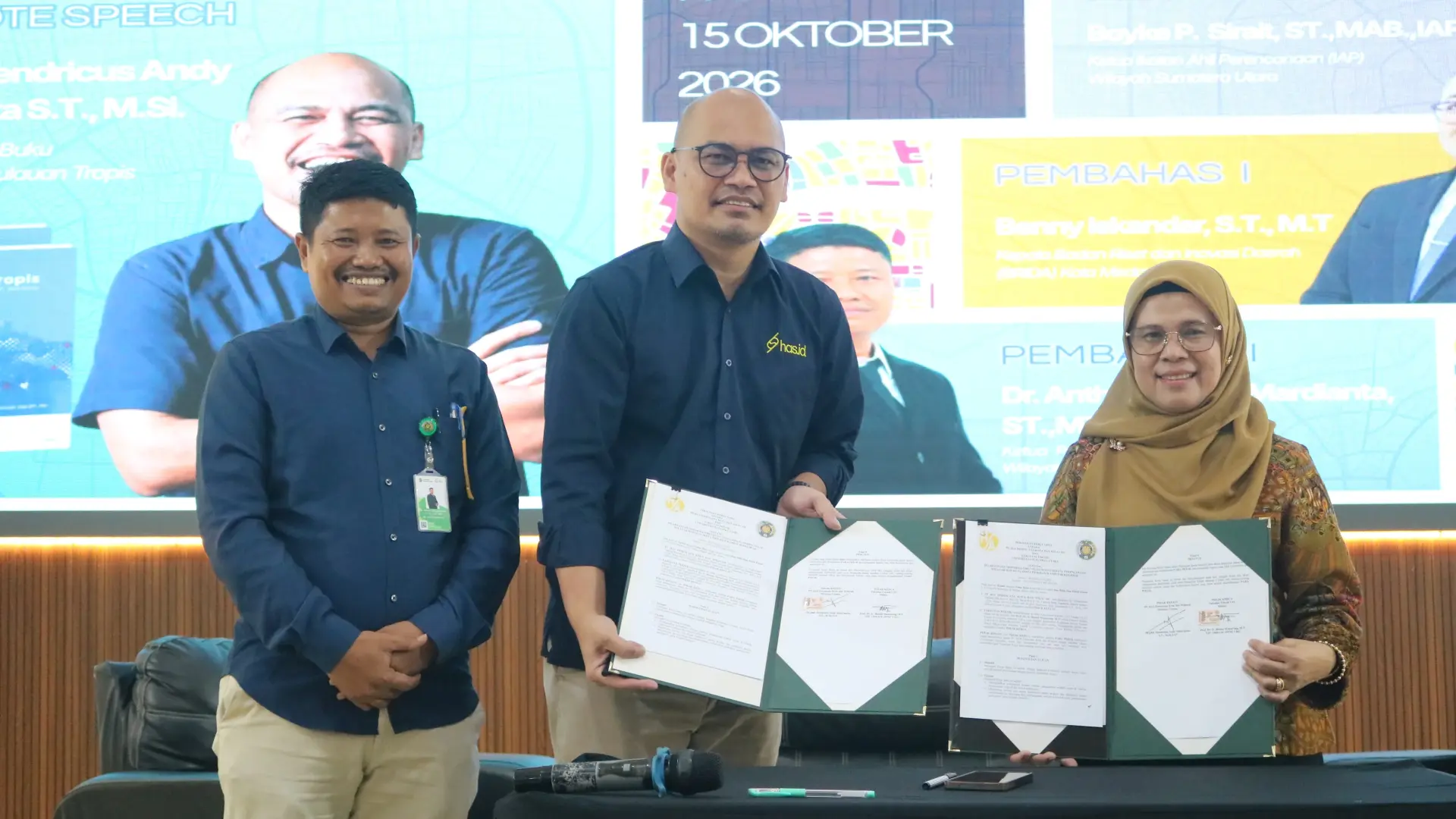
In the field of education, the collaboration includes student internship programs, guest lectures, the involvement of practitioners as instructors, and access to the HAS.ID learning platform. This framework provides students with opportunities to gain professional experience related to planning practices.
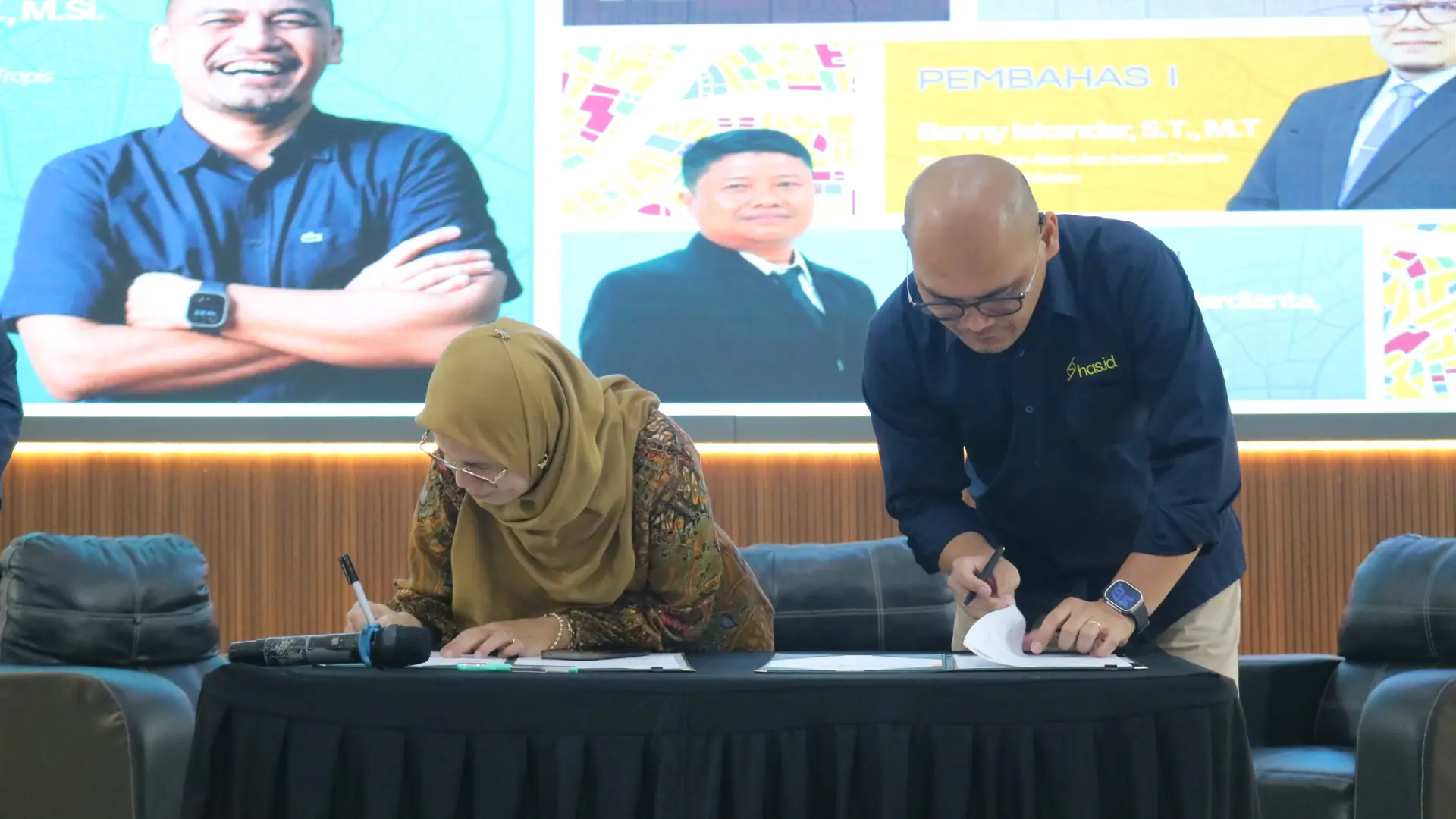
In the field of research, both parties may conduct joint research, exchange data, prepare publications, and carry out spatial analysis using Geographic Information Systems and artificial intelligence. The research themes will focus on current and future regional development issues.
In the field of community service, the collaboration includes participatory planning projects, community assistance related to urban disaster mitigation, the preparation of housing or residential area designs, and the evaluation of spatial planning facilities. These activities still require separate work plans before implementation.
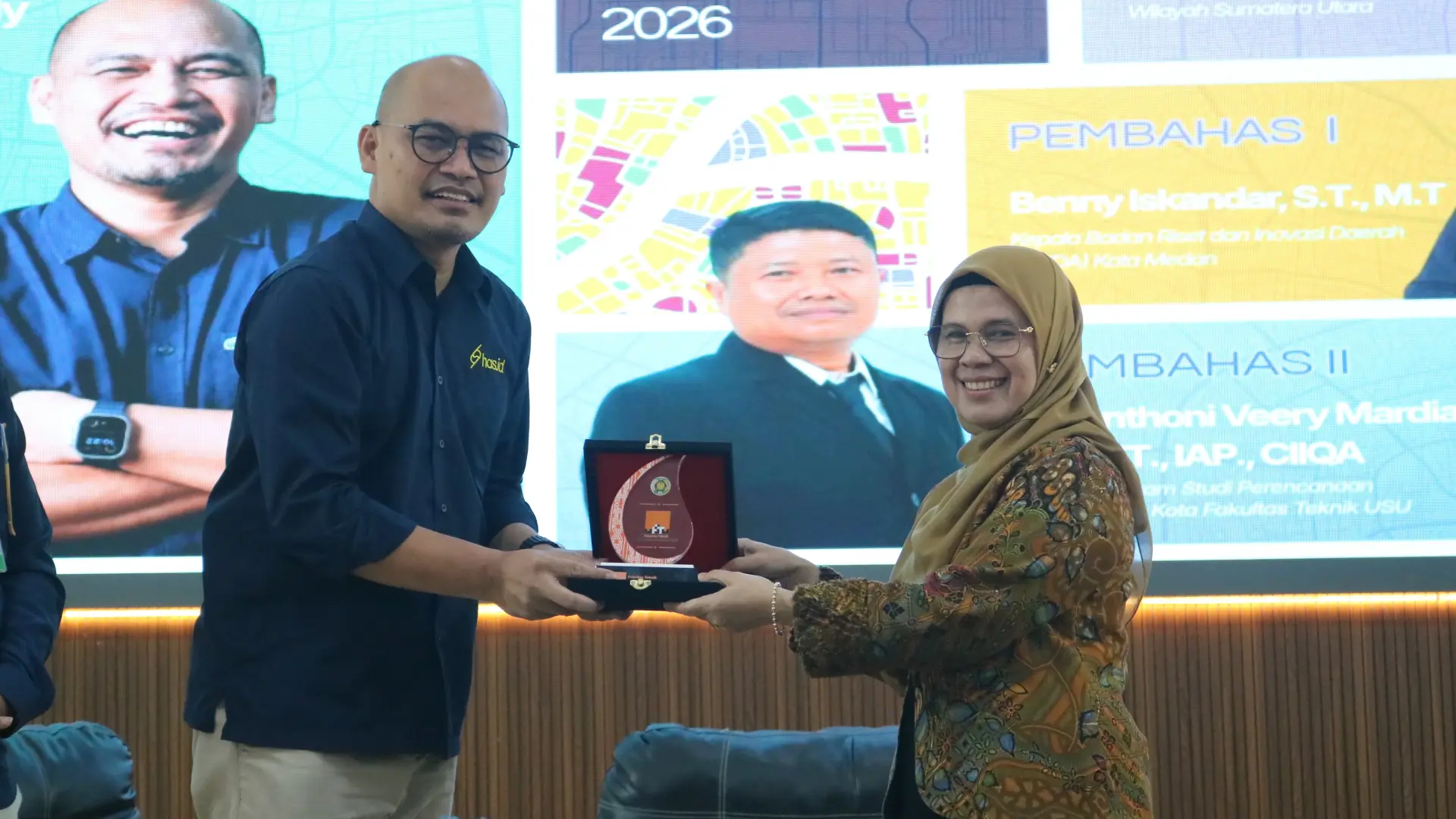
This collaboration primarily supports SDG 11—Sustainable Cities and Communities, through education, research, and community service in the field of planning. SDG 4—Quality Education is relevant through internships and practitioner-led learning, while SDG 17—Partnerships for the Goals is reflected in the collaboration between a higher education institution and a planning consultancy.