


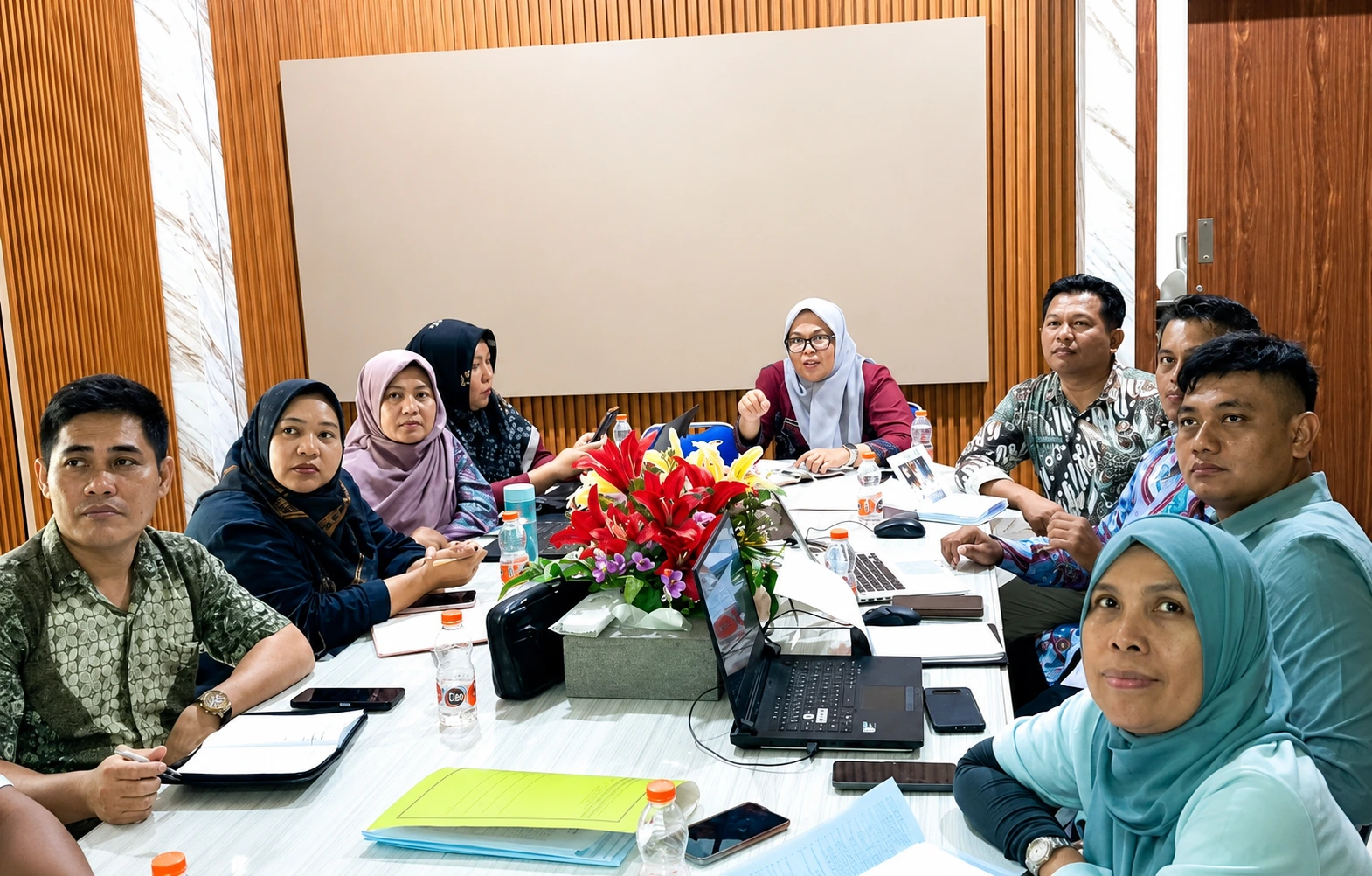
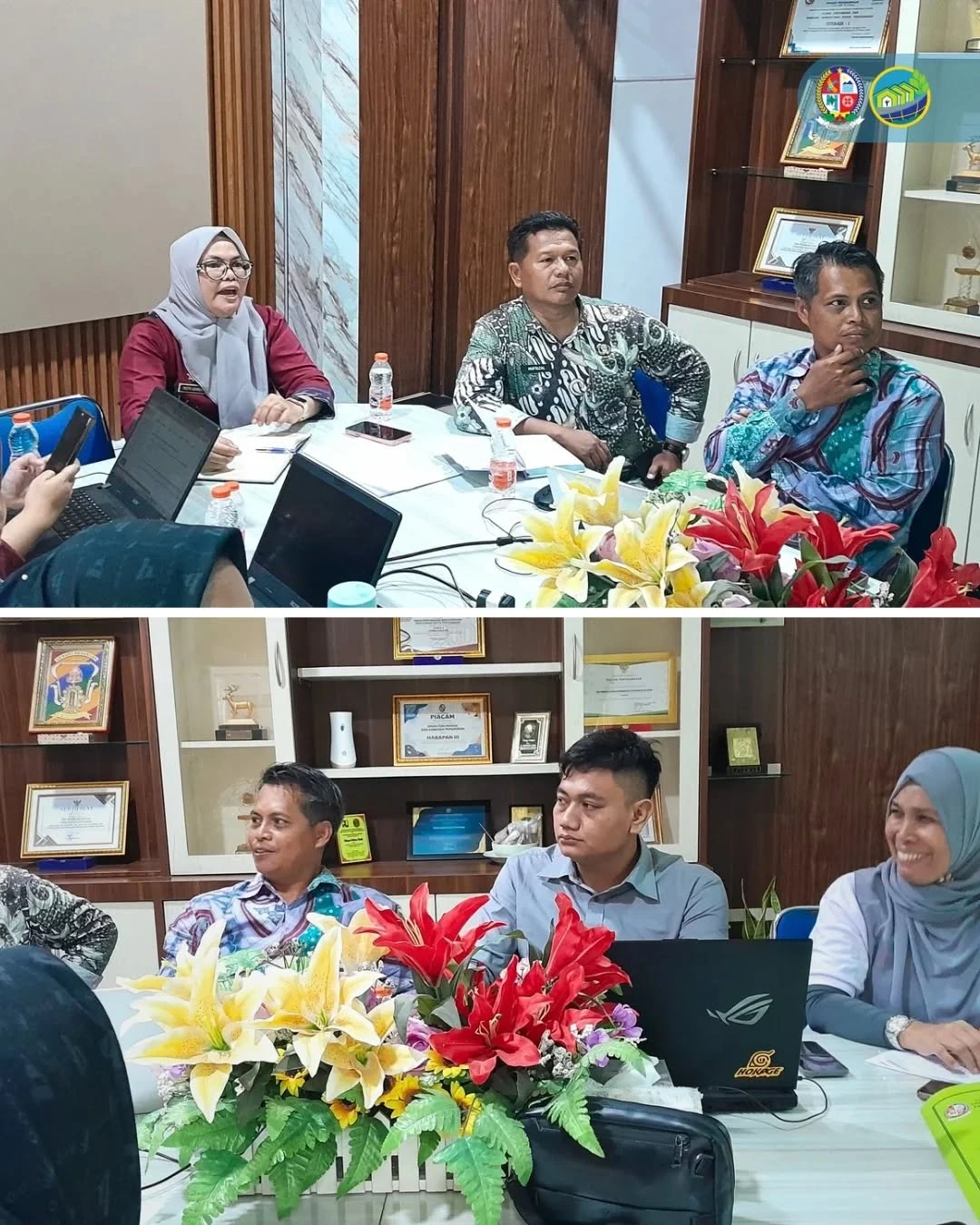
Medan, May 29, 2026 – Hajar Suwantoro, S.T., M.T., a lecturer in the Bachelor's and Master's Programs in Urban and Regional Planning at the Faculty of Engineering, Universitas Sumatera Utara (FT USU), served as an Area Planning Consultant during the Coordination Meeting on Urban Slum Upgrading in Deli Serdang Regency. The meeting was held at the Office of the Deli Serdang Regency Housing, Settlement Areas, and Land Agency.
 |
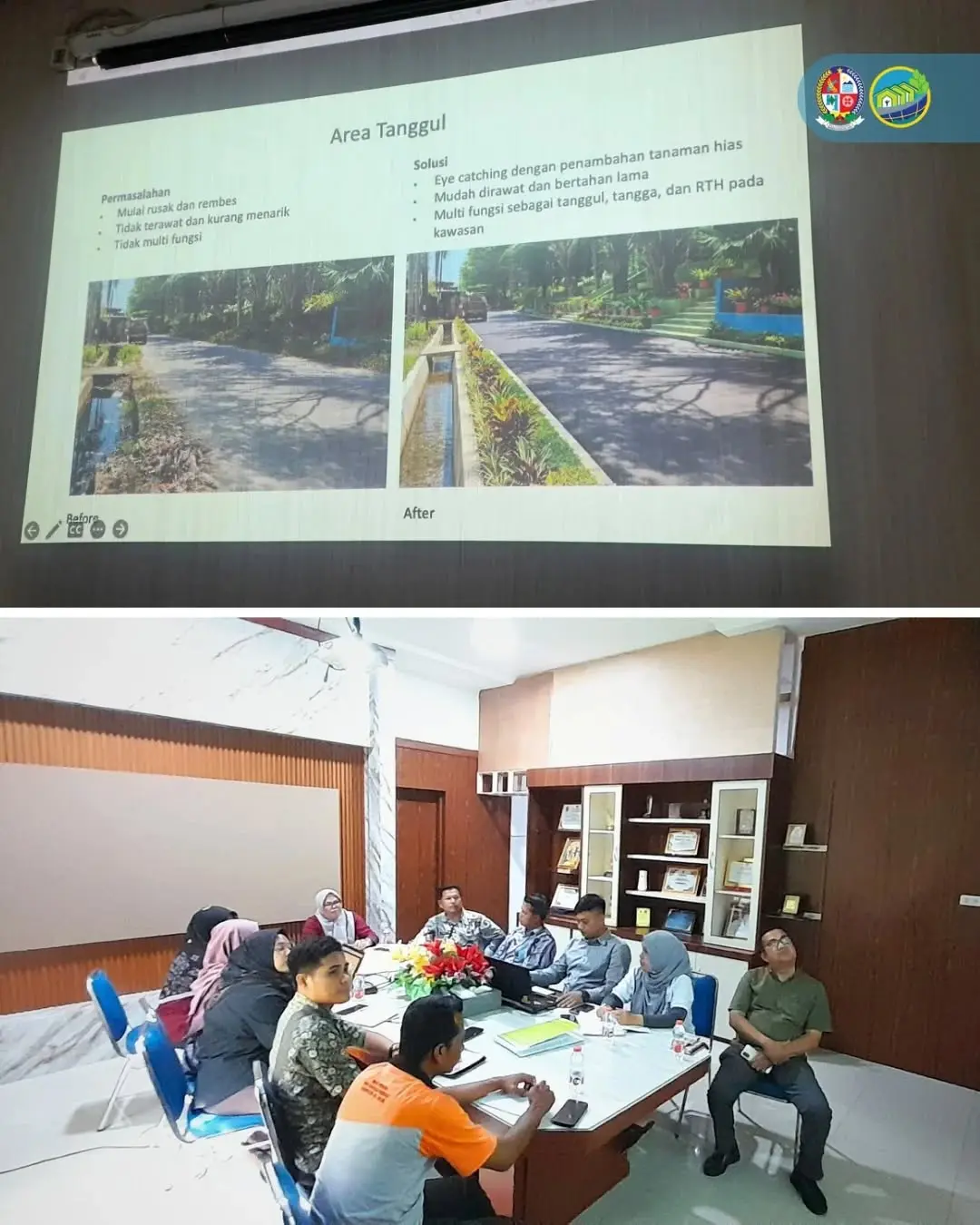 |
The coordination meeting brought together representatives of the local government and the consulting team to align planning objectives, assess existing site conditions, and formulate development strategies that respond to both environmental and community needs. Discussions focused on the current condition of the settlement, challenges related to basic infrastructure, the quality of public spaces, and several alternative planning and design proposals.
One of the proposals presented involved the redevelopment of the embankment area through physical improvements, additional ornamental landscaping, the provision of green open spaces, and the enhancement of various urban design elements. These recommendations were intended to create a safer, more attractive, easily maintained, and functionally effective urban environment.
In his capacity as an Area Planning Consultant, Hajar Suwantoro, S.T., M.T. provided academic and technical input on the proposed planning concepts. His recommendations covered the evaluation of design alternatives, the integration of spatial planning with road and drainage networks, the enhancement of green open space functions, and the application of sustainable planning principles. The outcomes of the discussion are expected to support the refinement of the development plan and serve as technical recommendations for the Government of Deli Serdang Regency.
Through the involvement of its academic staff in regional development planning, the Faculty of Engineering, Universitas Sumatera Utara, reaffirms its commitment to applying Urban and Regional Planning expertise to address real community needs. This academic contribution is expected to strengthen the connection between scientific knowledge, regional policy, and sustainable urban planning.