


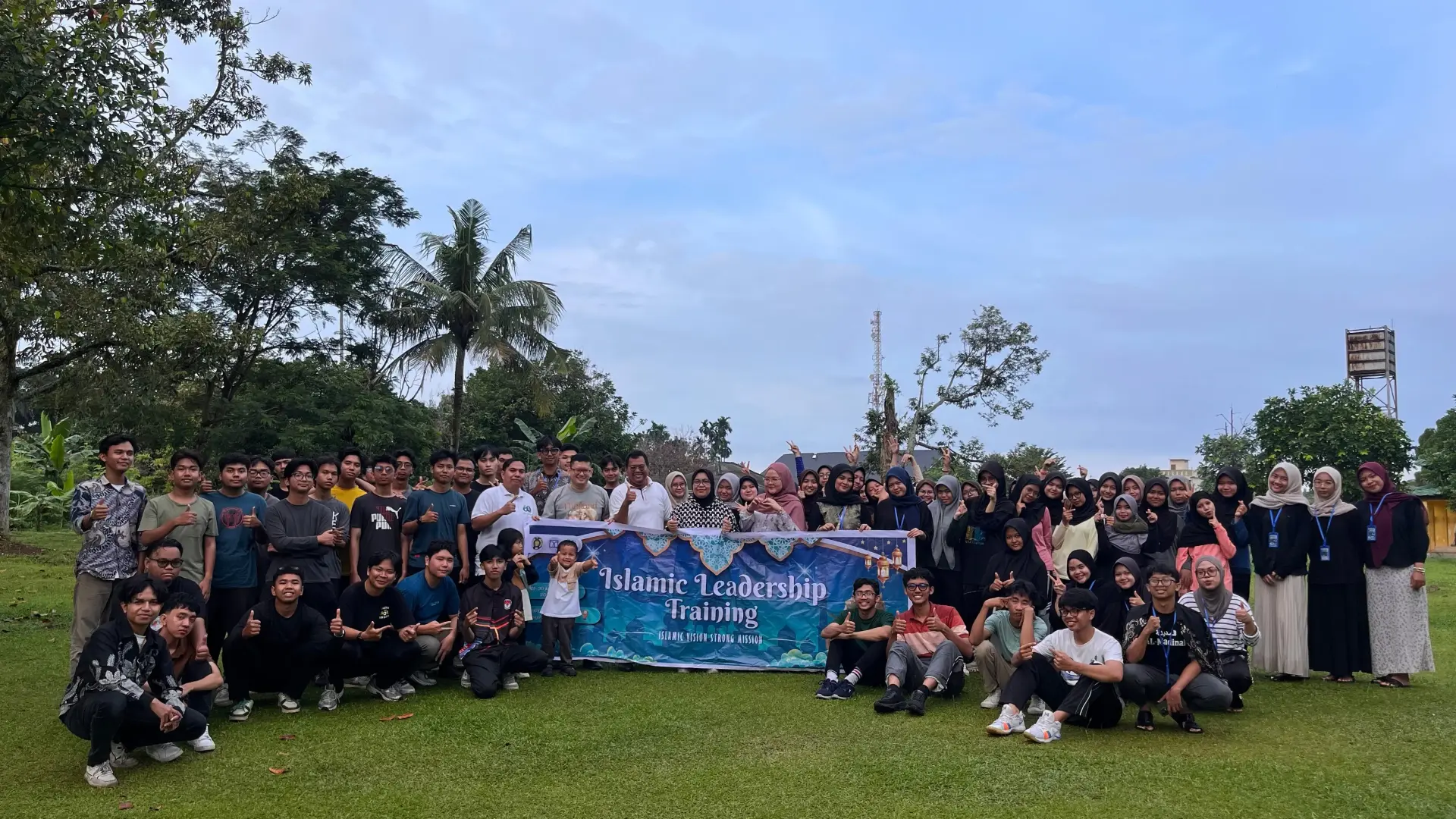
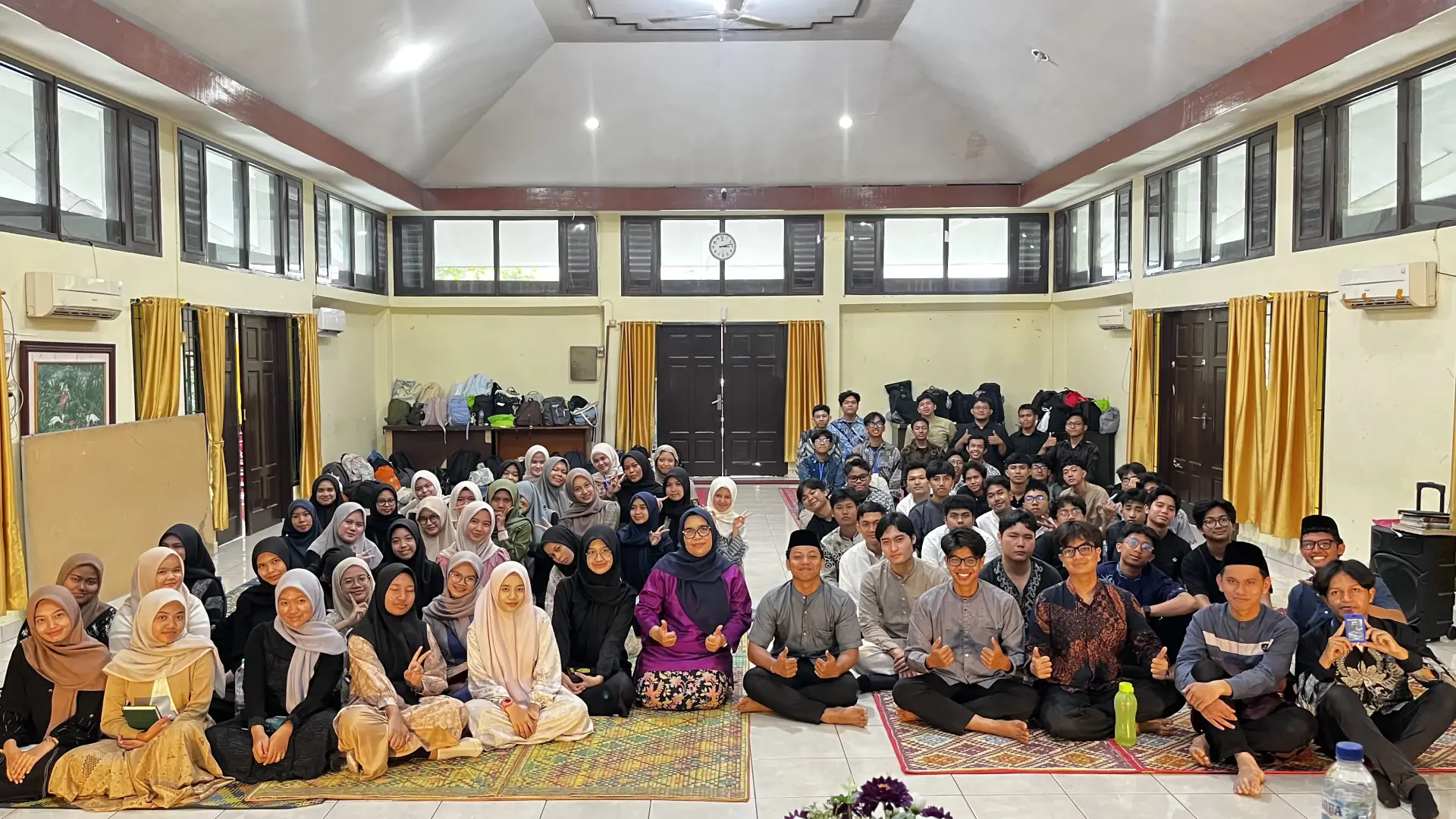
During the program, participants received guidance and training materials delivered by three speakers, namely Mutia Rahmadini Limbong, Salman Alfarisi Dhani, and Muhammad Farhan Tarigan. The three speakers provided insights and perspectives on the importance of character building, strengthening Islamic values, and developing personal capacity in fulfilling the role of a leader. The presentation of these materials was expected to broaden participants’ understanding of leadership that is not only oriented toward achieving goals but also prioritizes exemplary conduct, trustworthiness, integrity, and moral responsibility.
In addition to the presentations, the activity included various self-development activities, discussions, games, and group activities designed to be interactive. These activities served as participatory learning opportunities for participants to develop communication skills, teamwork, problem-solving, and decision-making abilities. Through active involvement in each activity, participants had the opportunity to hone their leadership potential while understanding the importance of collaboration in achieving common goals.
The two-day, one-night program also provided opportunities for participants to interact more intensively, exchange ideas, and strengthen relationships among Muslim Industrial Engineering students at USU. The sense of togetherness fostered during the activity was expected to nurture solidarity, strengthen bonds among participants, and encourage the development of a supportive student environment for intellectual, spiritual, and social growth.
The theme “Islamic Vision, Strong Mission” represents the importance of aligning a vision oriented toward long-term goals with a mission realized through concrete actions. In the context of student leadership, this vision and mission serve as the foundation for setting personal development directions, carrying out organizational responsibilities, and making meaningful contributions to the surrounding community. Islamic values are expected to serve as fundamental principles throughout this process, so that leadership is reflected not only in the ability to guide others but also in exemplary conduct and consistency in action.
The organization of the Islamic Leadership Training program represents one of the commitments of the Spiritual Affairs Division of HIMTI FT USU to supporting comprehensive student development, particularly in the areas of spirituality, character, and leadership. The activity is expected not to end with the training sessions but also to encourage participants to implement the values they have gained in their academic lives, organizational activities, and social interactions.
Through this activity, Muslim Industrial Engineering students at USU are expected to grow into individuals with integrity, a clear leadership orientation, a strong commitment to Islamic values, and the ability to contribute positively to their organizations, alma mater, and society. Thus, the spirit of “Islamic Vision, Strong Mission” is expected to serve as the foundation for developing a generation of young leaders who are principled, responsible, and oriented toward the common good.