


Learn more about various concentrations, explore the Curriculum adjust your Course Schedule to fit your time, know the required Tuition Fees, and understand the expected learning outcomes All the information you need to start your academic journey is here.

Concentration
The following is a list of specializations contained in Master’s Program in Urban and Regional Planning
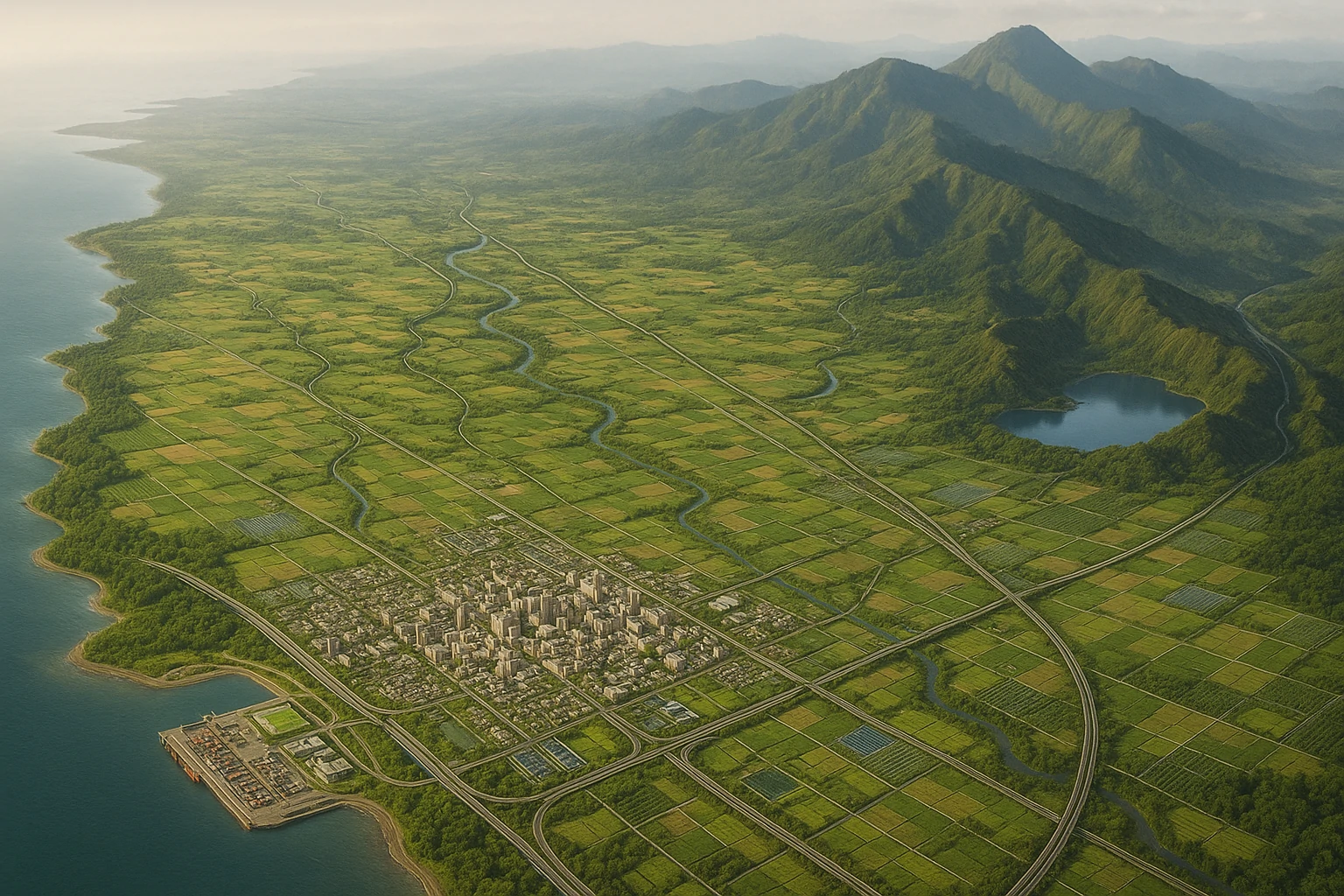
Regional Planning and Area Development
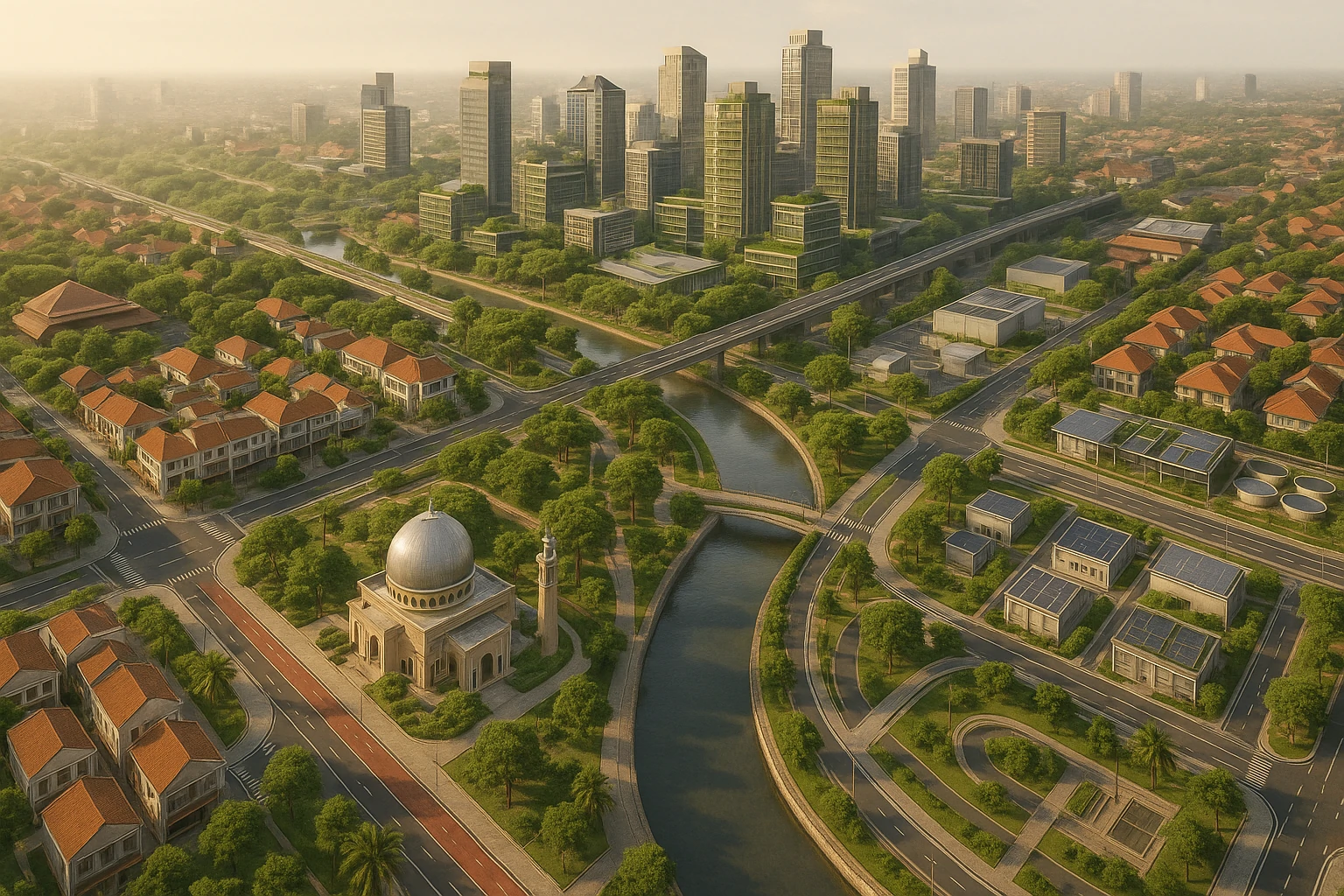
Urban and Settlement Planning
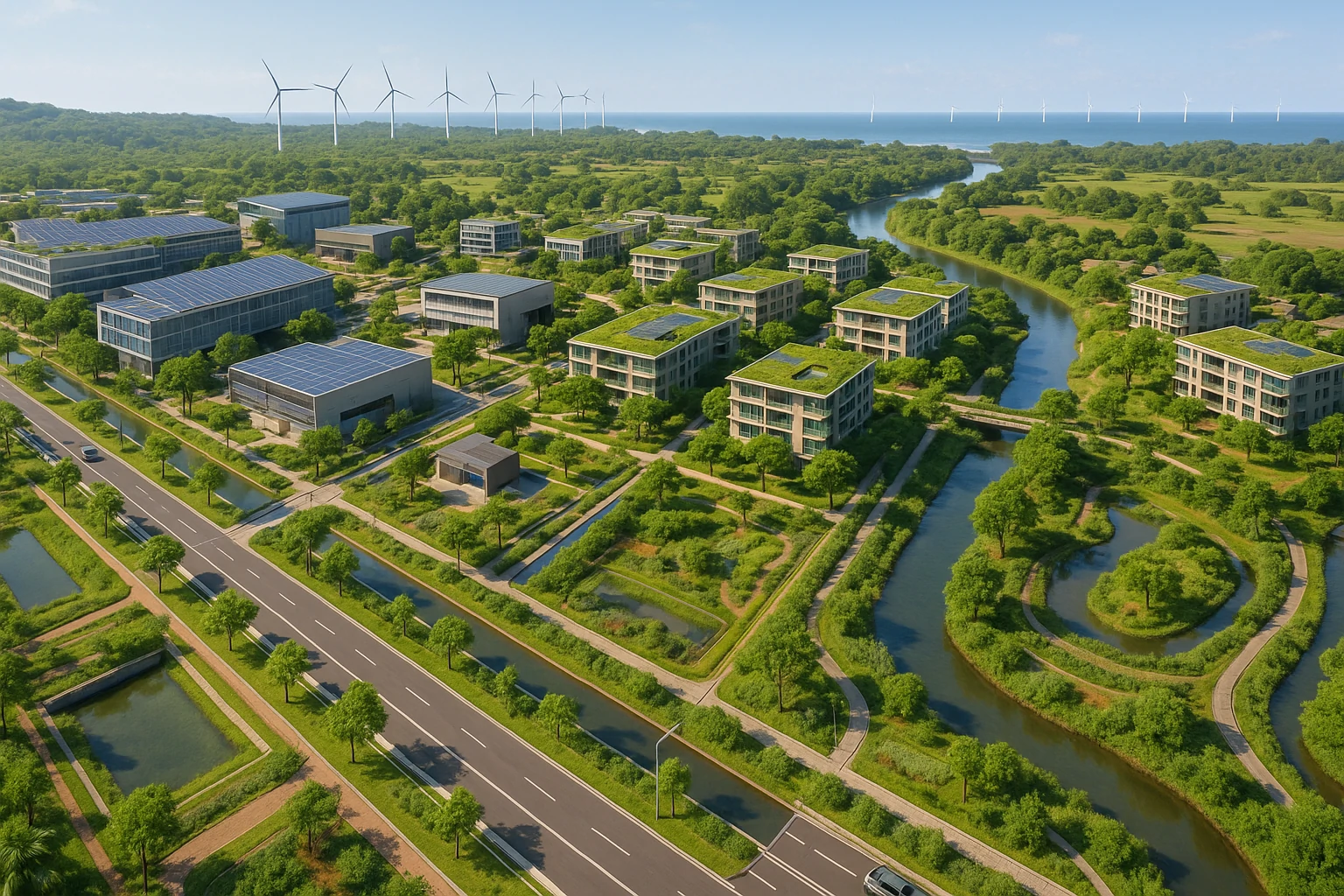
Environmental Policy and Governance
Curriculum

Tuition Fee
Learning Outcomes
The MPWK USU curriculum is developed using an Outcome-Based Education (OBE) framework and refers to the standards of the Indonesian Association of Planning Schools (ASPI). Students are equipped with conceptual, methodological, and technical competencies through a combination of theoretical coursework, planning studios, applied research, and scientific publication, fostering transdisciplinary critical and analytical thinking.
| Learning Outcomes | |
| 1 | Ability to develop and apply high-level professional ethics and embody the BINTANG character values (Faithfulness to God Almighty, Innovation with Integrity, Resilience, and Wisdom) in leadership and the management of urban and regional development, while upholding humanistic values. |
| 2 | Ability to conduct in-depth analysis and formulate innovative strategies for resource management and comprehensive urban and regional planning by considering spatial and non-spatial dimensions, including sociocultural, economic, environmental, technological, administrative, regulatory, and financing aspects to support sustainable development based on local potential. |
| 3 | Ability to master and apply science, technology, and the arts (IPTEKS), along with advanced spatial and non-spatial data analysis methods, to identify and solve complex problems and interpret information within adaptive urban and regional planning aligned with global trends. |
| 4 | Ability to lead and manage planning projects, collaborate effectively within multidisciplinary teams and diverse stakeholders, and demonstrate proficient communication skills to influence decision-making and create liveable urban environments. |
| 5 | Ability to design, conduct, and evaluate advanced applied research in urban and regional planning to generate new knowledge, and to disseminate findings through scientific publications and policy formulation that contribute to sustainable development. |