


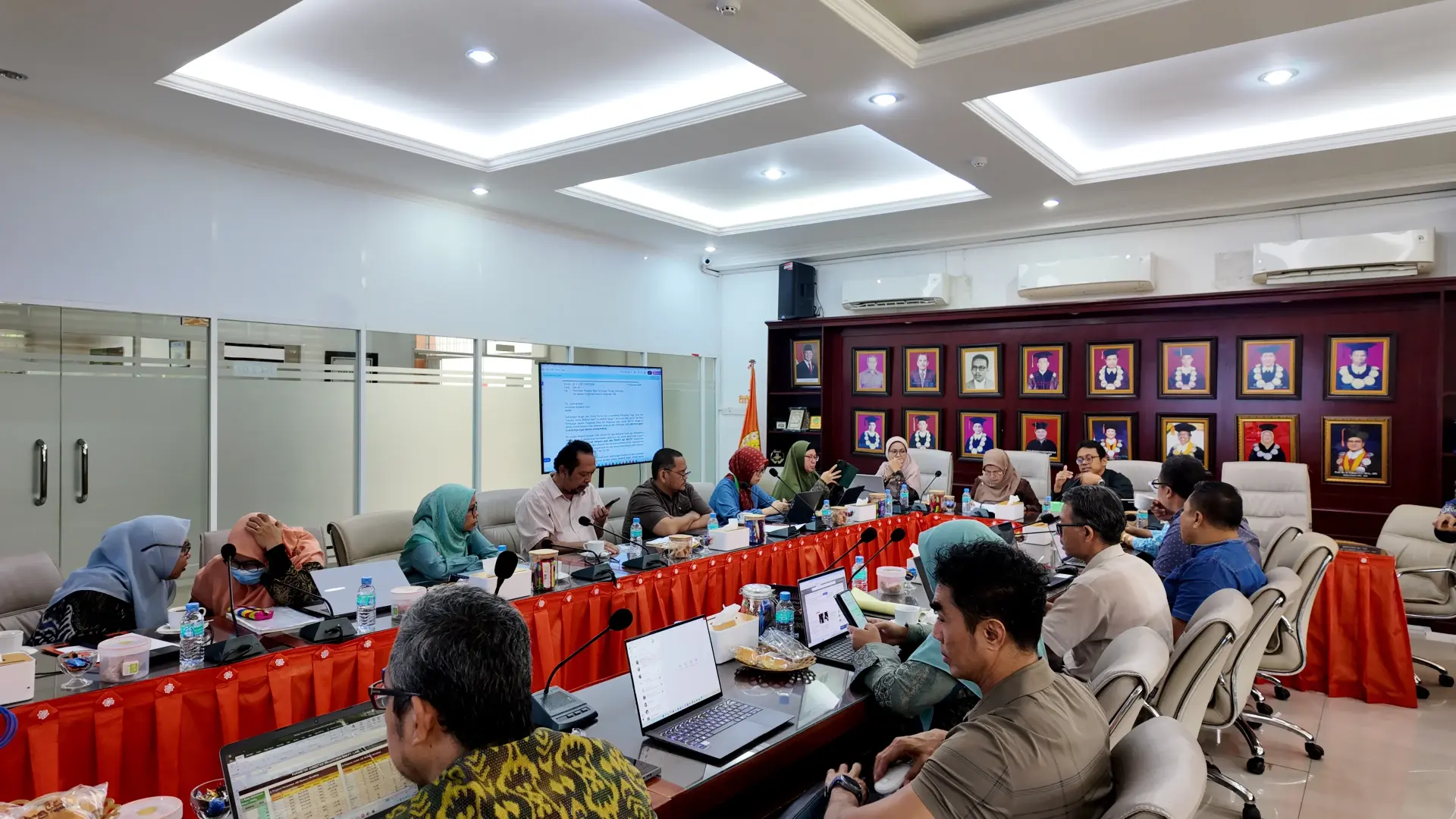
Medan – November 19, 2026, the Faculty of Engineering USU held a meeting to discuss and coordinate the completion of data for calculating lecturer staffing requirements and functional positions in the Faculty of Engineering USU Meeting Room. This activity was a follow-up to USU's request to complete and verify data on lecturer requirements for each study program.
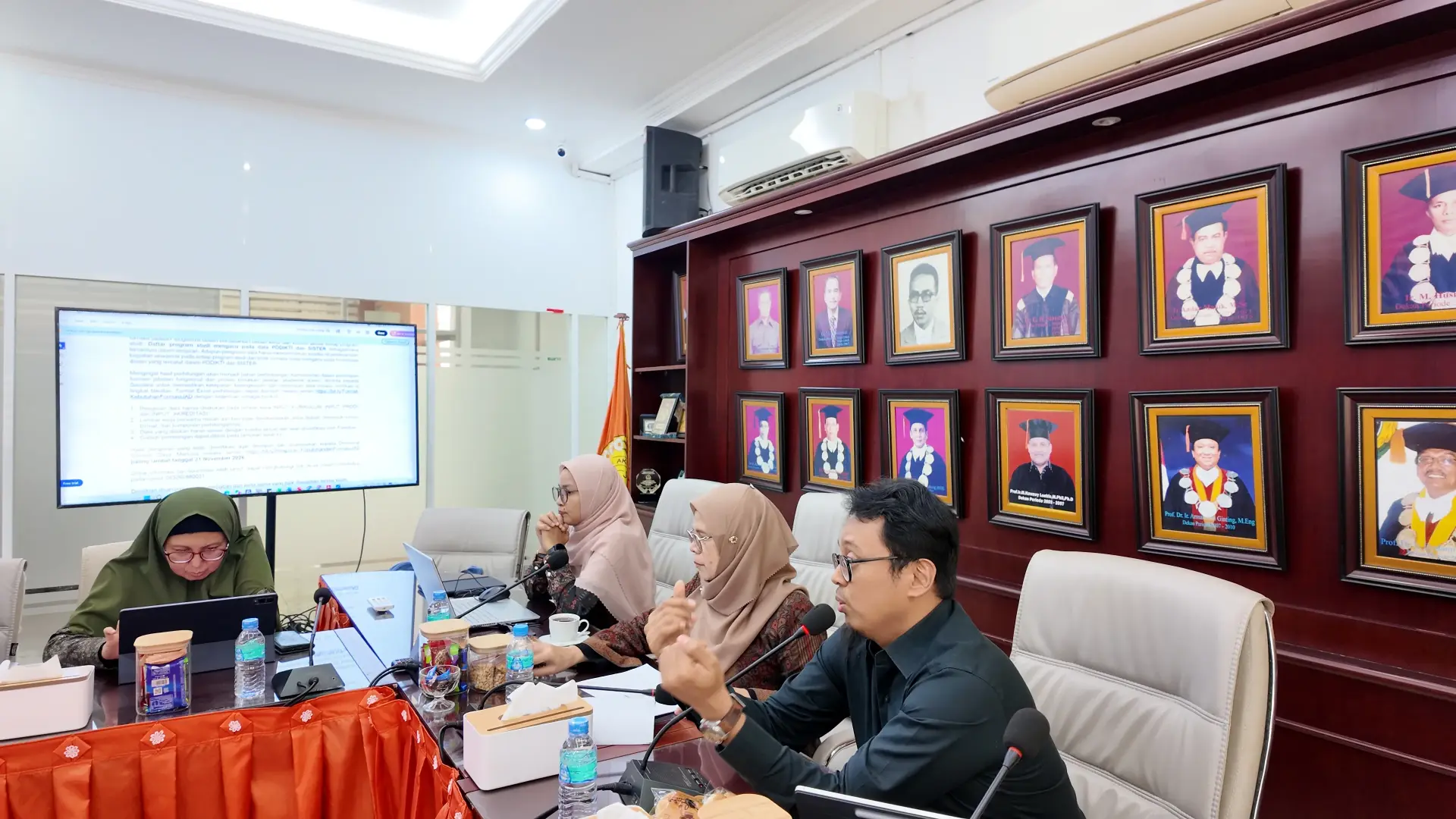
The meeting was attended by Prof. Dr. Ir. Renita Manurung, M.T., as Dean of the Faculty of Engineering USU; Ir. Muhammad Agung Putra Handana, S.T., M.T., as Vice Dean for Administration, Finance, Human Resources, and Academic Infrastructure; Fitri Rowiyah Rambe, M.T., as Manager of Administration, Finance, Human Resources, and Academic Infrastructure; as well as the heads and secretaries of study programs within the faculty.
The discussion focused on completing and verifying the data required to calculate lecturer staffing formations for each study program. The information receiving particular attention included the current teaching workforce, the curricula being implemented, and lecturer resource requirements based on the characteristics of educational delivery at each level.
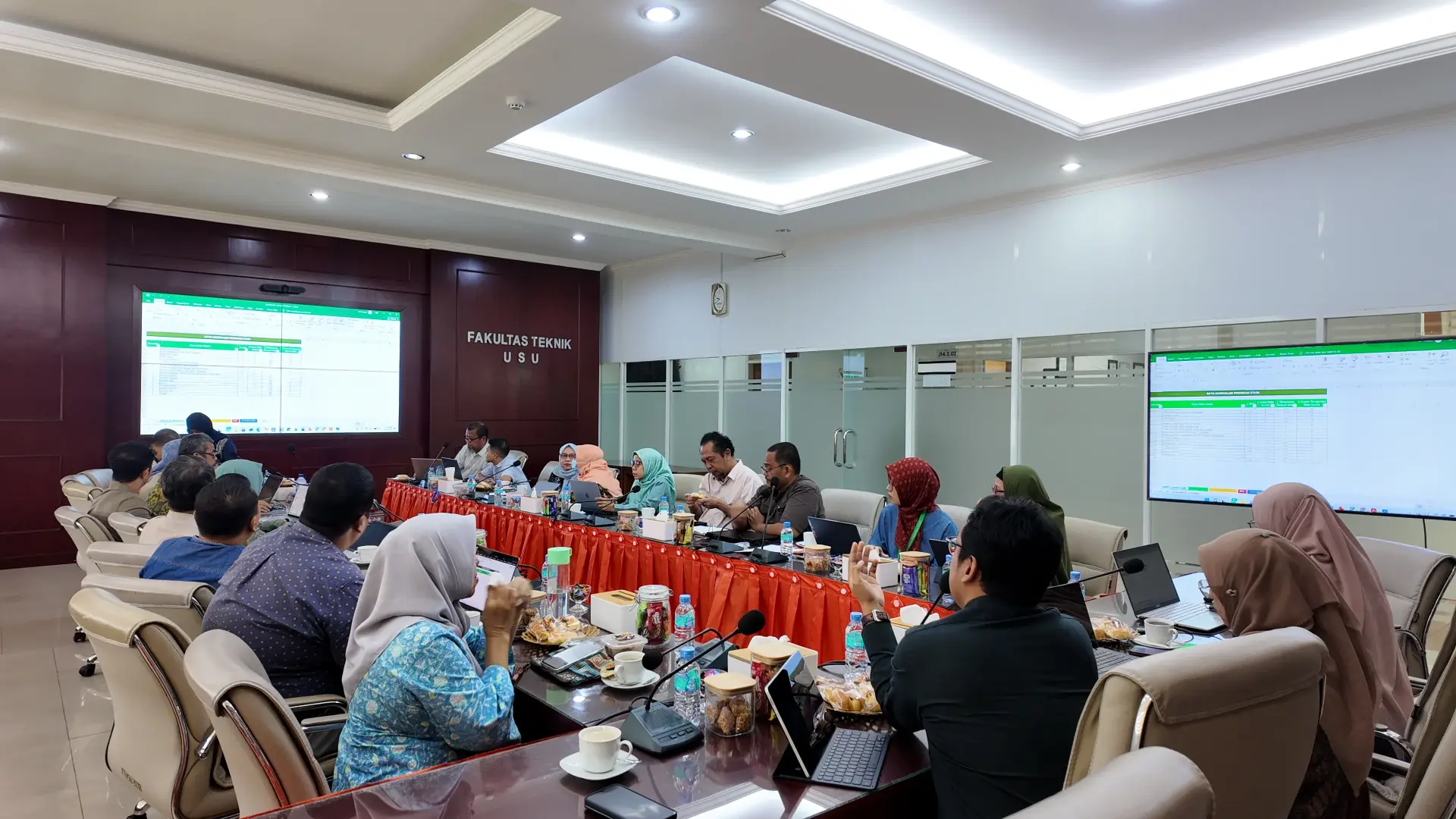
The coordination also provided an opportunity to establish a shared understanding of data completeness before the information was submitted as part of the planning process at the university level. Accurate information is necessary to ensure that calculations of academic human resource requirements have a clear basis and can more accurately reflect the conditions of each study program.
In addition to the number of teaching staff, functional positions were also included in the discussion. This mapping is important for providing an overview of the composition and academic career development of lecturers in support of education, research, and community service.
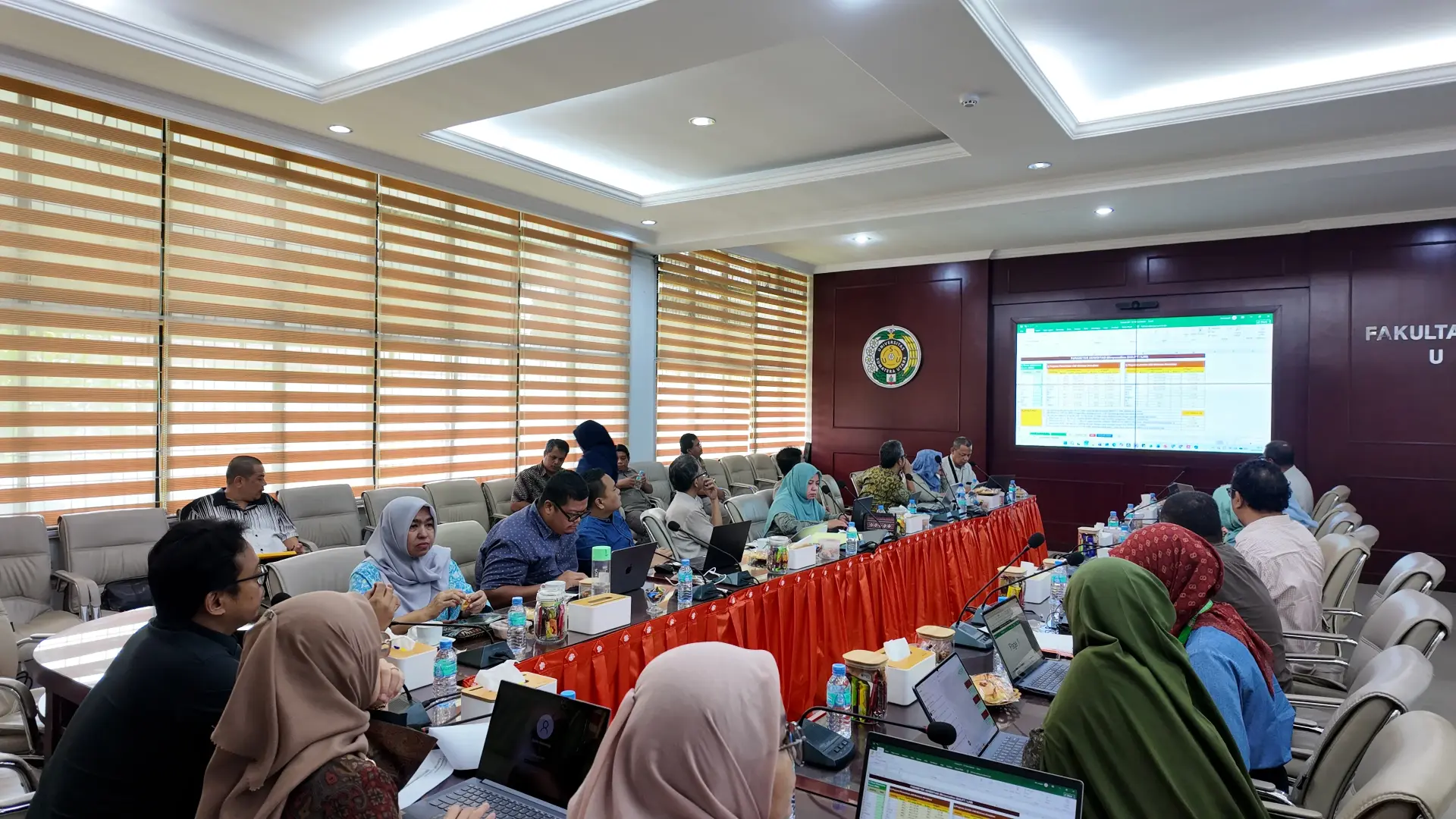
Faculty leaders and study program administrators strengthened coordination in providing academic and personnel data as the basis for planning lecturer requirements. The available materials do not yet include the final staffing formation calculations or decisions regarding additional resources; therefore, these outcomes are not stated in this report.
This activity primarily supports SDG 16 – Peace, Justice, and Strong Institutions through strengthening data-based institutional governance, planning, and decision-making. SDG 4 – Quality Education is also relevant because the adequacy and distribution of lecturers are related to the delivery of academic processes, while SDG 8 – Decent Work and Economic Growth relates to planning human resource requirements and developing professional positions.