


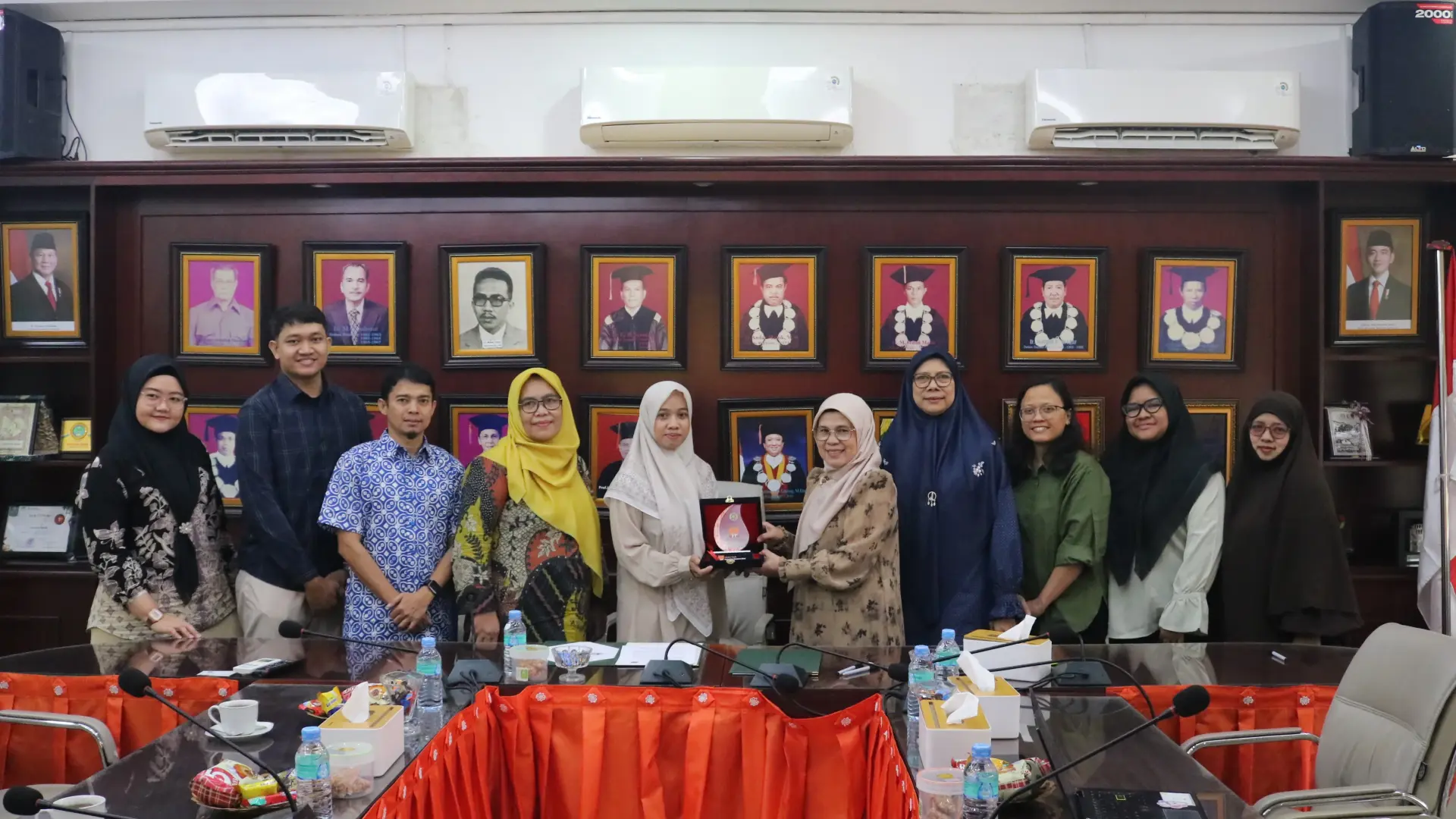
Medan, Thursday, October 8, 2026 – The Faculty of Engineering, USU, received a delegation from the Faculty of Engineering, Universitas Tidar, for a cooperation visit and benchmarking. The visit was part of efforts to strengthen institutional relations between the two faculties while realizing cooperation in implementing the Three Pillars of Higher Education (Tridharma Perguruan Tinggi).
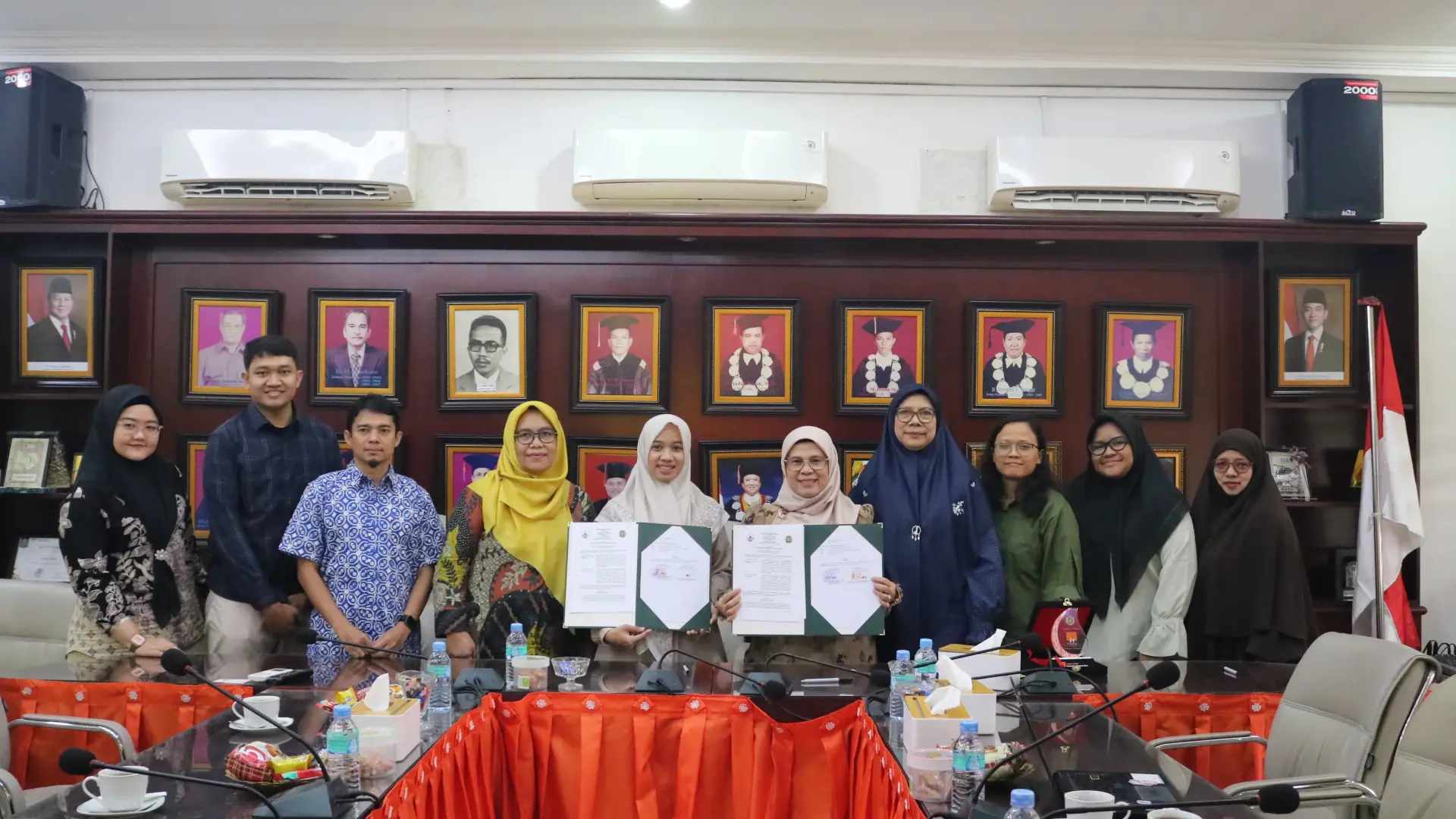
One of the main agendas of the activity was the signing of a Cooperation Agreement between FT UNTIDAR and FT USU as a foundation for developing more concrete collaboration in education, research, and community service.
The activity was attended by Prof. Dr. Ir. Renita Manurung, M.T. (Dean of the Faculty of Engineering); Prof. Dr. Ir. Rosdanelli Hasibuan, M.T. (Vice Dean for Education, Student Affairs, and Alumni Affairs); Reisya Ichwani, S.Si., M.Sc., Ph.D. (Manager of Education, Student Affairs, and Alumni Affairs); Emma Patricia Bangun, S.T., M.Eng., Ph.D. (Manager of Research, Community Service, Cooperation, and Internationalization); Dr. Tuti Sarma Sinaga, S.T., M.T., CPLM (Head of the Undergraduate Program in Industrial Engineering); Dr. Ir. Andri Nasution, S.T., M.T., IPM., ASEAN Eng. (Secretary of the Undergraduate Program in Industrial Engineering); and Ir. Nurul Atikah, S.T., M.Sc. Representatives from the Faculty of Engineering, Universitas Tidar, included Ir. Nila Nurlina, S.T., M.T. (Coordinator of the Undergraduate Program in Industrial Engineering, FT UNTIDAR) and Muhammad Syarqim, S.T., M.Sc. (Lecturer of the Undergraduate Program in Industrial Engineering, FT UNTIDAR).
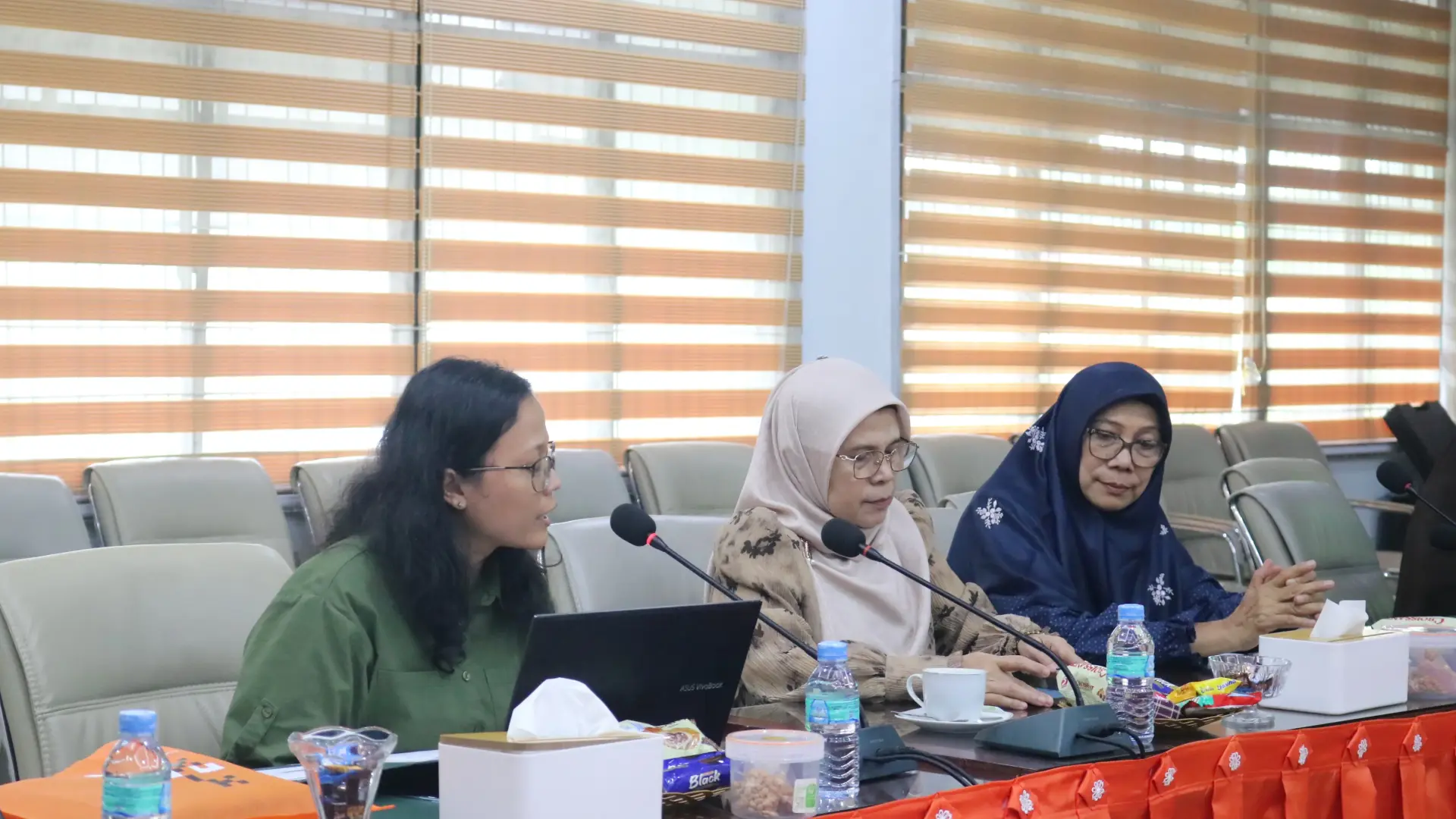
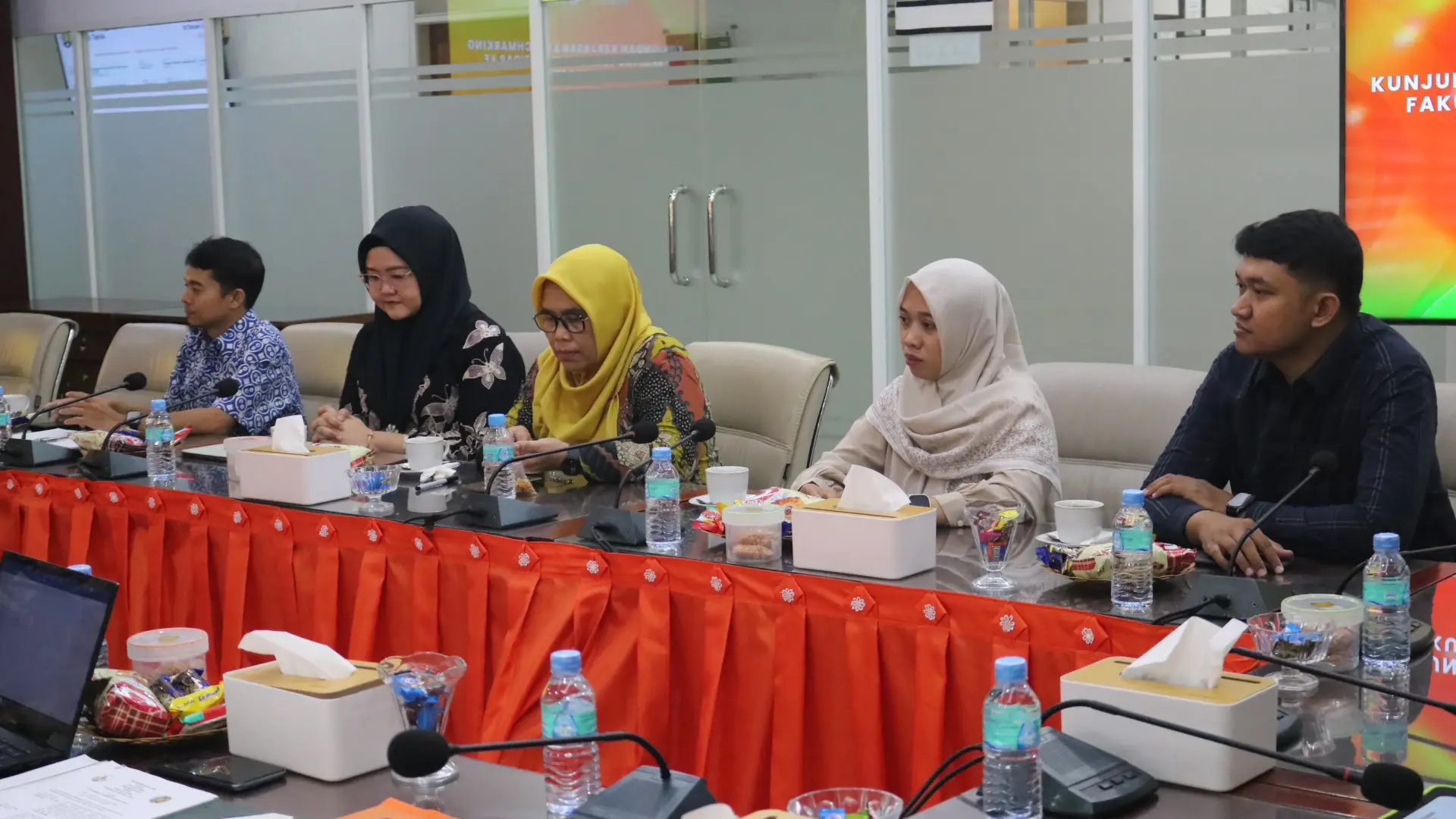
In addition to signing the Cooperation Agreement, both parties explored the possibility of establishing an Implementation Arrangement (IA) for the Undergraduate Program in Industrial Engineering, FT USU. The activity continued with benchmarking involving the Undergraduate Program in Industrial Engineering, during which several strategic aspects were discussed.
 |
 |
Through this activity, FT USU and FT UNTIDAR are expected to further strengthen their academic networks and develop sustainable collaborative programs. The synergy between the two institutions is expected not only to support improvements in learning quality and study program governance but also to open up broader opportunities for cooperation in research, scientific publications, student mobility, community service, and institutional capacity development.