


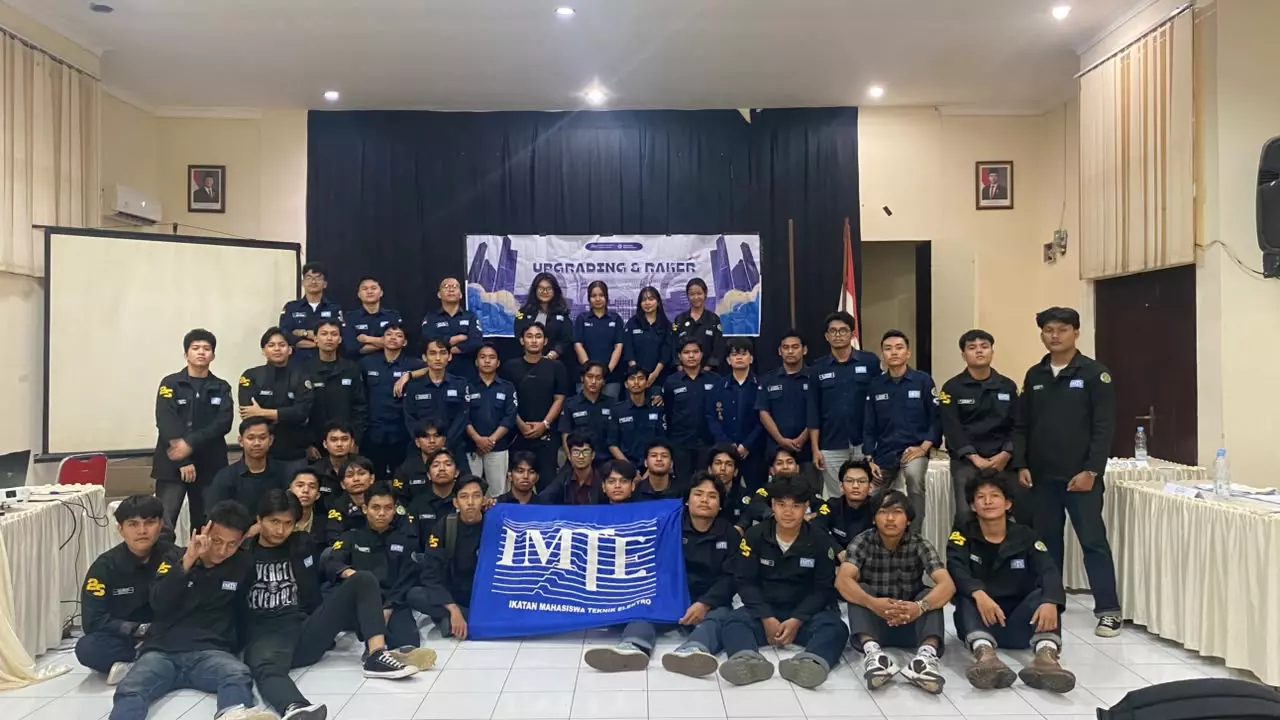
The organizational capacity-building stage was held on Friday, September 11, 2026, at the Hall of the Electrical Engineering Department, FT USU. During this session, Chryst Steven Elson Zendratö, former Chairperson of IMTE for the 2024/2025 Management Period, served as the speaker on Leadership and Organizational Management. The material provided the management board with insights into leadership responsibilities, organizational management, communication, and coordination between divisions.
Leadership training plays an important role in preparing management board members to run the organization in a more structured manner. Through the upgrading process, members not only gained an understanding of organizational structures and mechanisms but were also encouraged to develop collaborative, disciplined, and goal-oriented working practices.
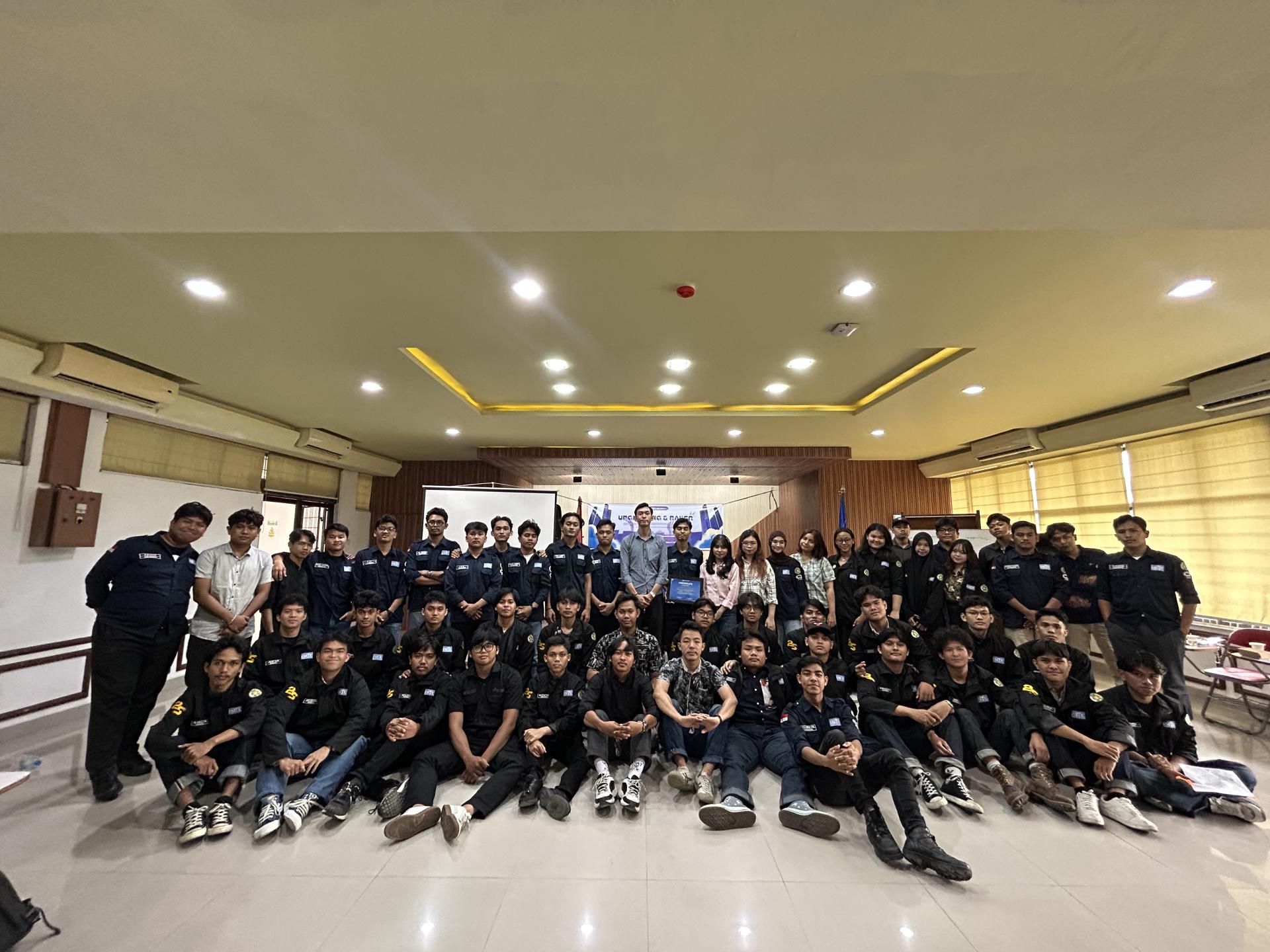
The series of activities continued with the IMTE Work Meeting for the 2026/2027 Management Period on Friday, September 18, 2026, from 07:30 to 17:30 WIB at the Regional Technical Training and Agricultural Mechanization Unit (UPTD), North Sumatra Province. The work meeting served as the main forum for aligning activity plans for the upcoming management period.
Through discussions on work programs, each division also had the opportunity to align ideas and determine activity priorities. This process was important in establishing a shared understanding of the organization's direction while ensuring that each program had clear planning and defined responsibilities.
The Upgrading and Work Meetings served not merely as administrative activities for the student organization. They were also part of an extracurricular learning process that developed leadership, communication, decision-making, activity management, teamwork, and the ability to present ideas systematically.
Student organizational activities such as these also support the development of students who possess not only academic competencies but also organizational and leadership skills. Such experiences can provide valuable preparation for Electrical Engineering students as they enter professional environments that require both technical expertise and soft skills.
This activity primarily supports SDG 4 – Quality Education through leadership learning, organizational management, and student capacity development. SDG 16 – Peace, Justice and Strong Institutions is also relevant through the development of working procedures, the allocation of responsibilities, and the strengthening of governance within student organizations.