


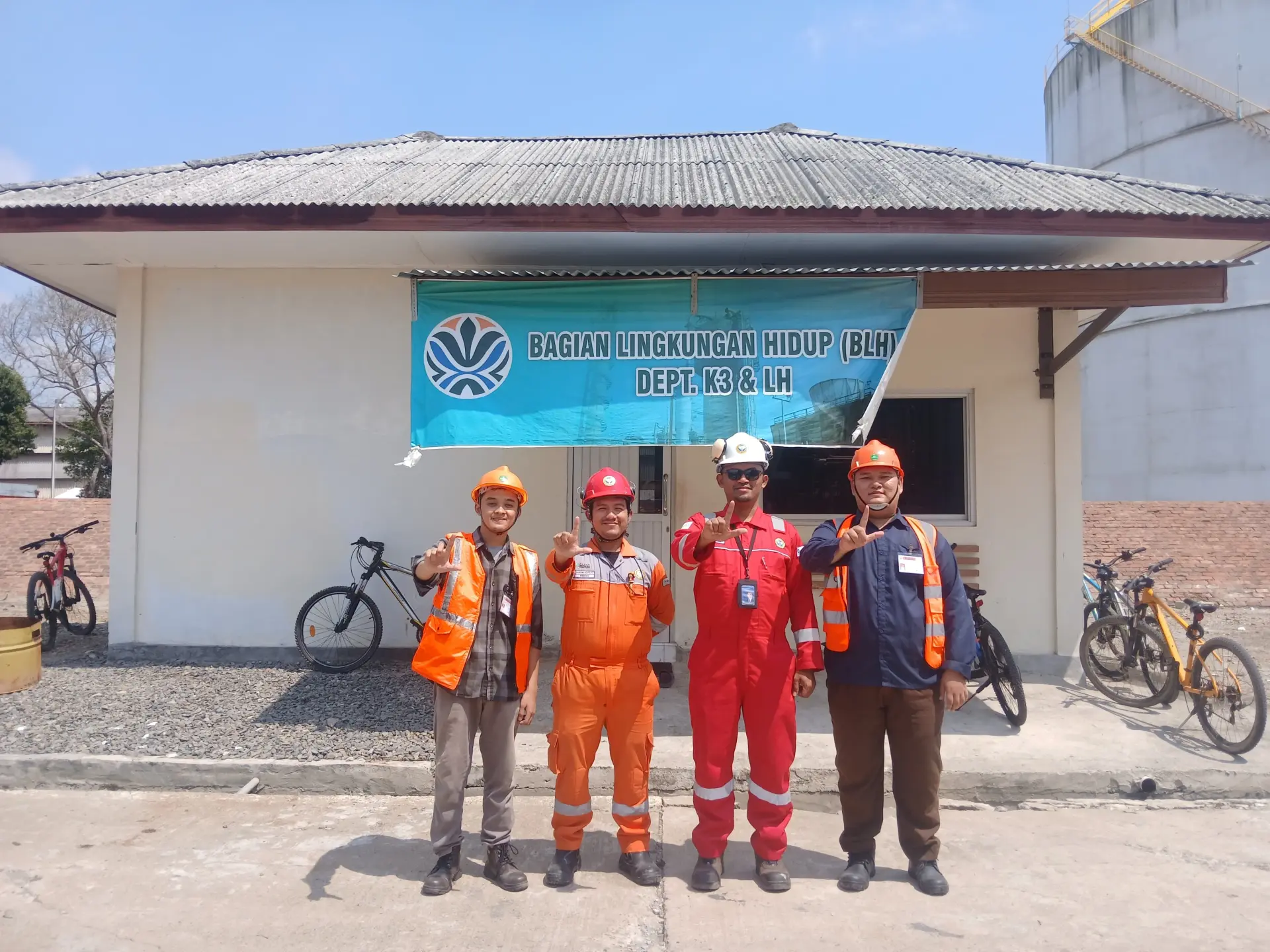
The internship was undertaken by two students, Ikhwanul Ahsan (Student ID: 230405044) and Raihan Bahrian Rambe (Student ID: 230405069). Throughout the program, they gained firsthand exposure to the fertilizer manufacturing industry while developing a deeper understanding of production processes through field observations and technical data collection.
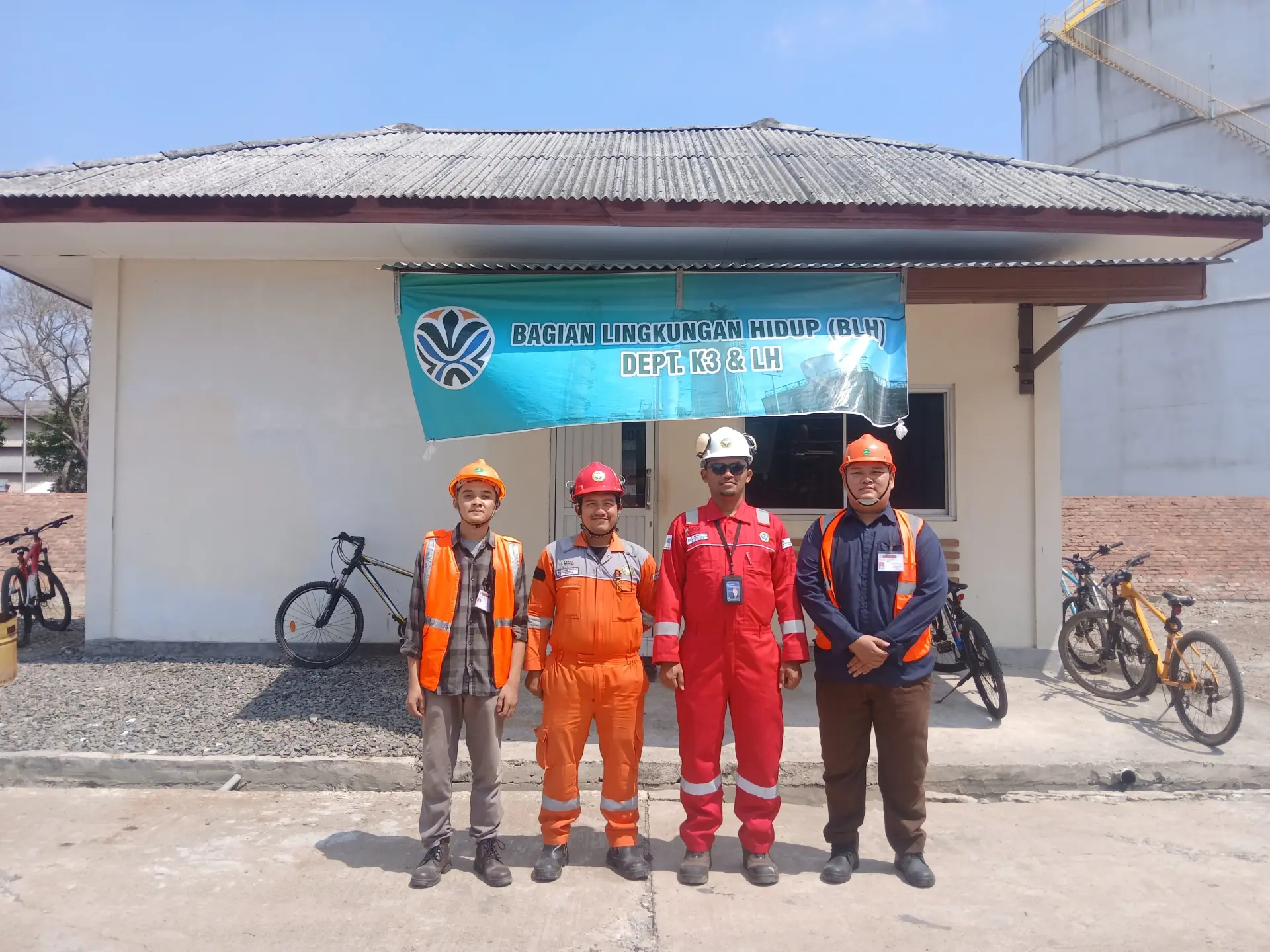
One of the primary activities involved field observations of various operational stages within the manufacturing facility. Through these observations, the students were able to connect the theoretical knowledge acquired in the classroom with real industrial practices, particularly those related to chemical engineering processes and plant operations.
In addition, the students studied the fertilizer production process at PT Pupuk Iskandar Muda. This experience provided them with a more comprehensive understanding of how chemical engineering principles are applied in industry, from manufacturing processes to the technical aspects that support efficient plant operations.
As part of the internship, the students also collected technical data to support their academic learning and analytical studies. The information gathered is expected to enhance their understanding of industrial process systems while strengthening their ability to analyze engineering challenges using a systematic approach.
The industrial internship also served as an important step in preparing students for their future careers. Through direct exposure to an industrial work environment, the participants gained insights not only into production processes but also into workplace culture, discipline, occupational safety, adaptability, and professional conduct.
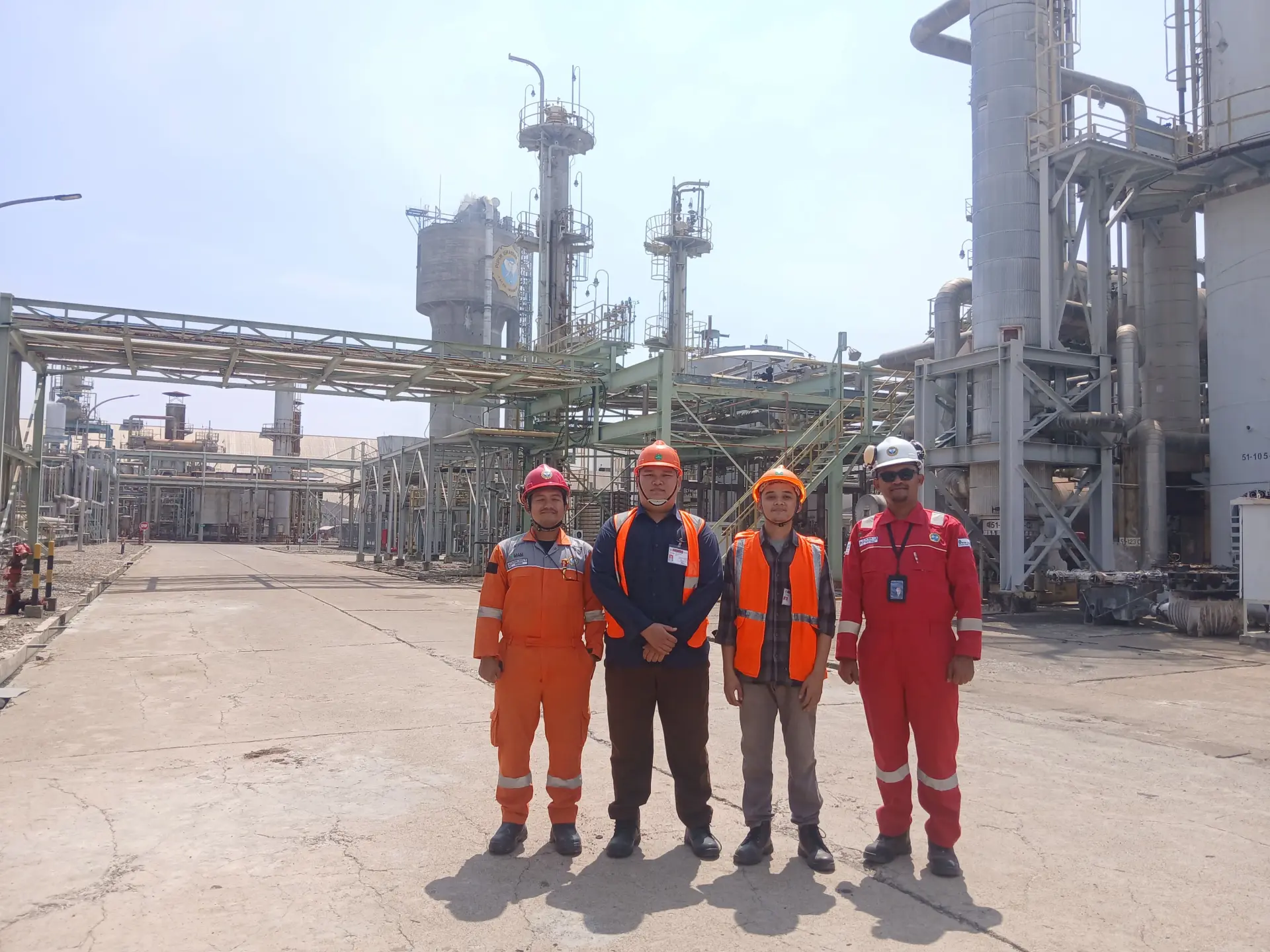
From the perspective of the Sustainable Development Goals (SDGs), the program primarily contributes to SDG 4 (Quality Education) by strengthening experiential learning and practical skill development. It also supports SDG 9 (Industry, Innovation and Infrastructure) by introducing students to industrial technologies and real-world engineering processes.
Through partnerships between higher education institutions and industry, industrial internship programs such as this are expected to continue fostering graduates who possess both strong academic foundations and professional readiness. By learning directly within an industrial environment, FT USU Chemical Engineering students are better equipped to become adaptive, competent professionals capable of contributing to the advancement of sustainable industrial development.