


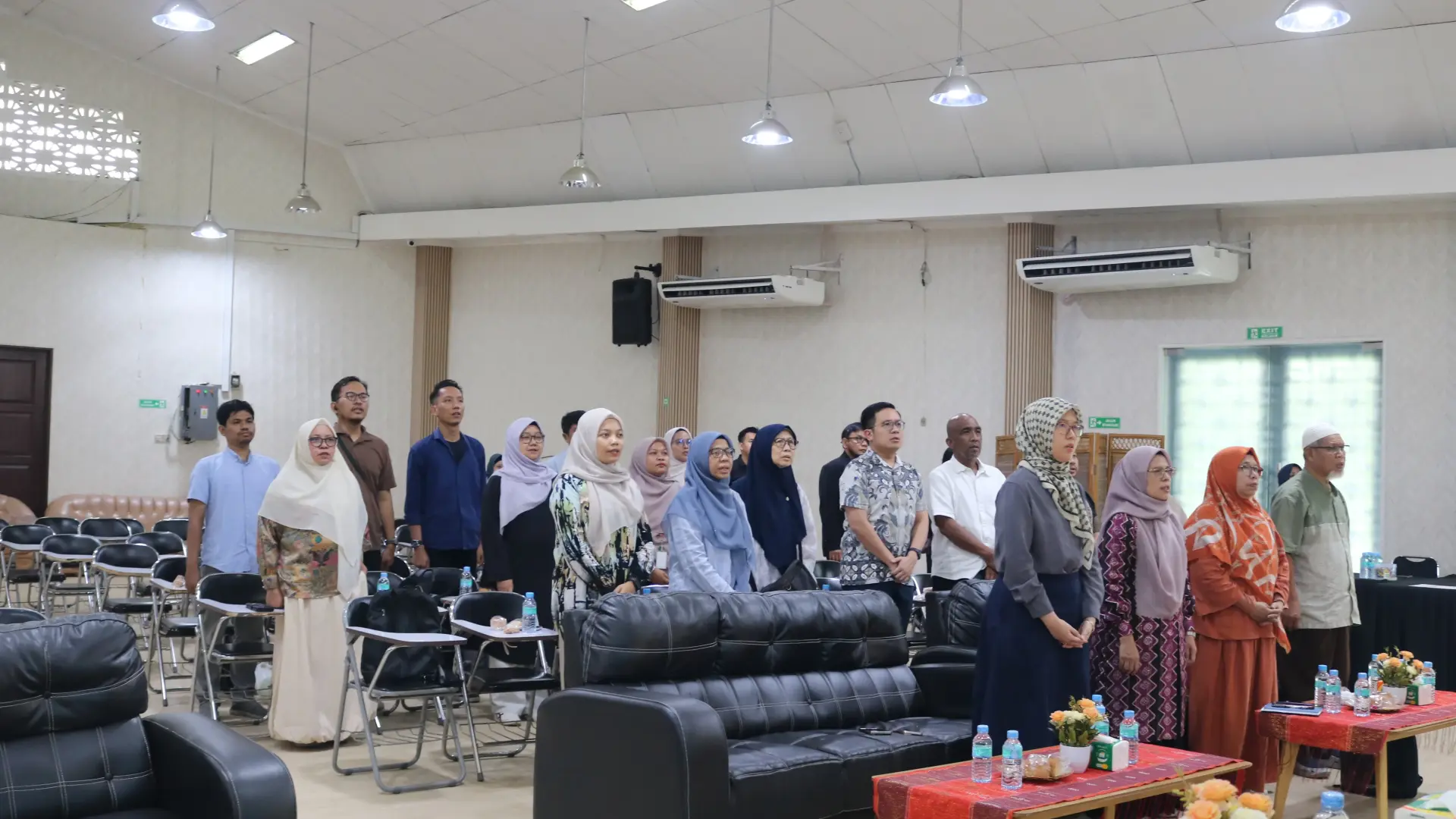
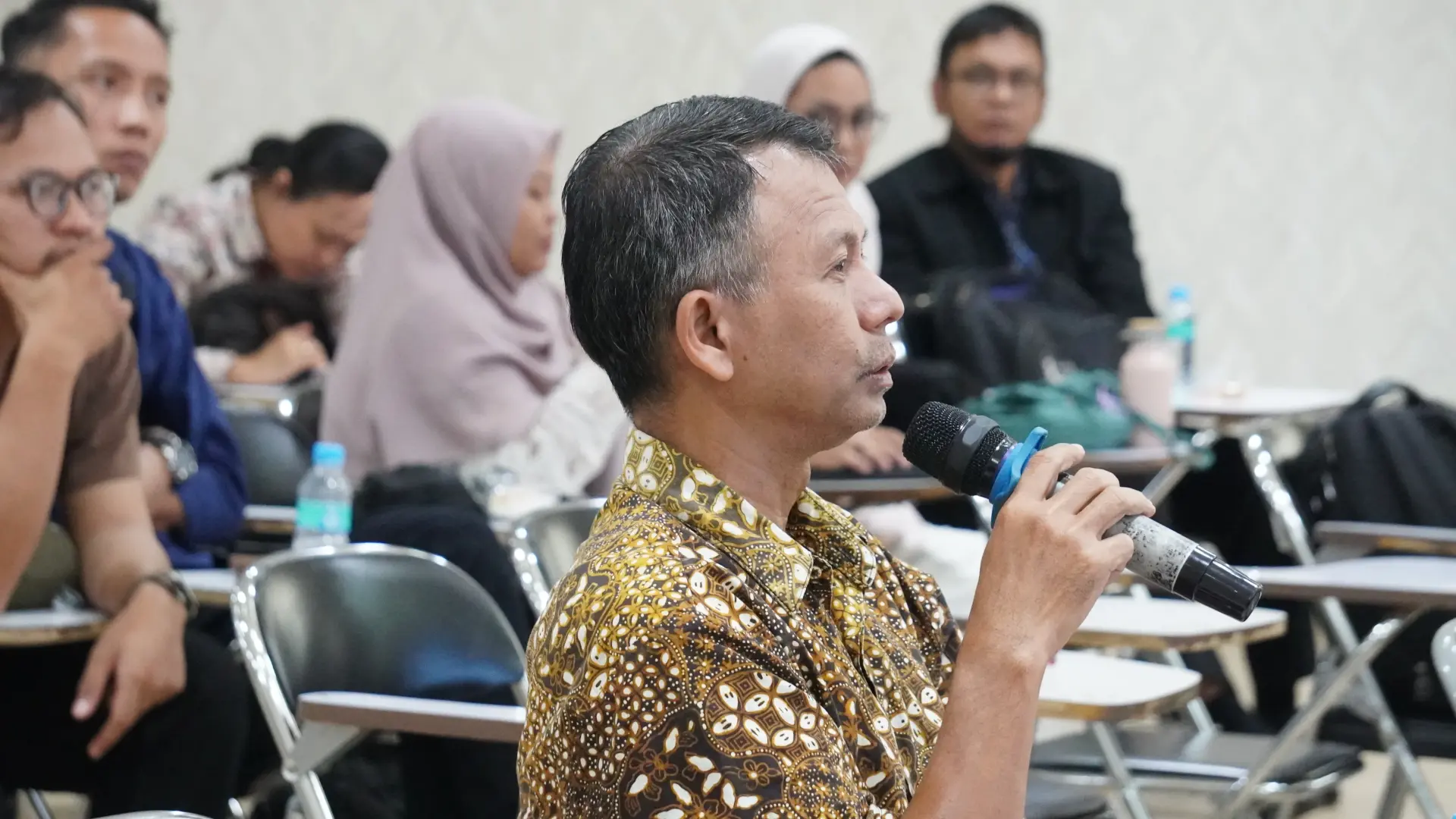
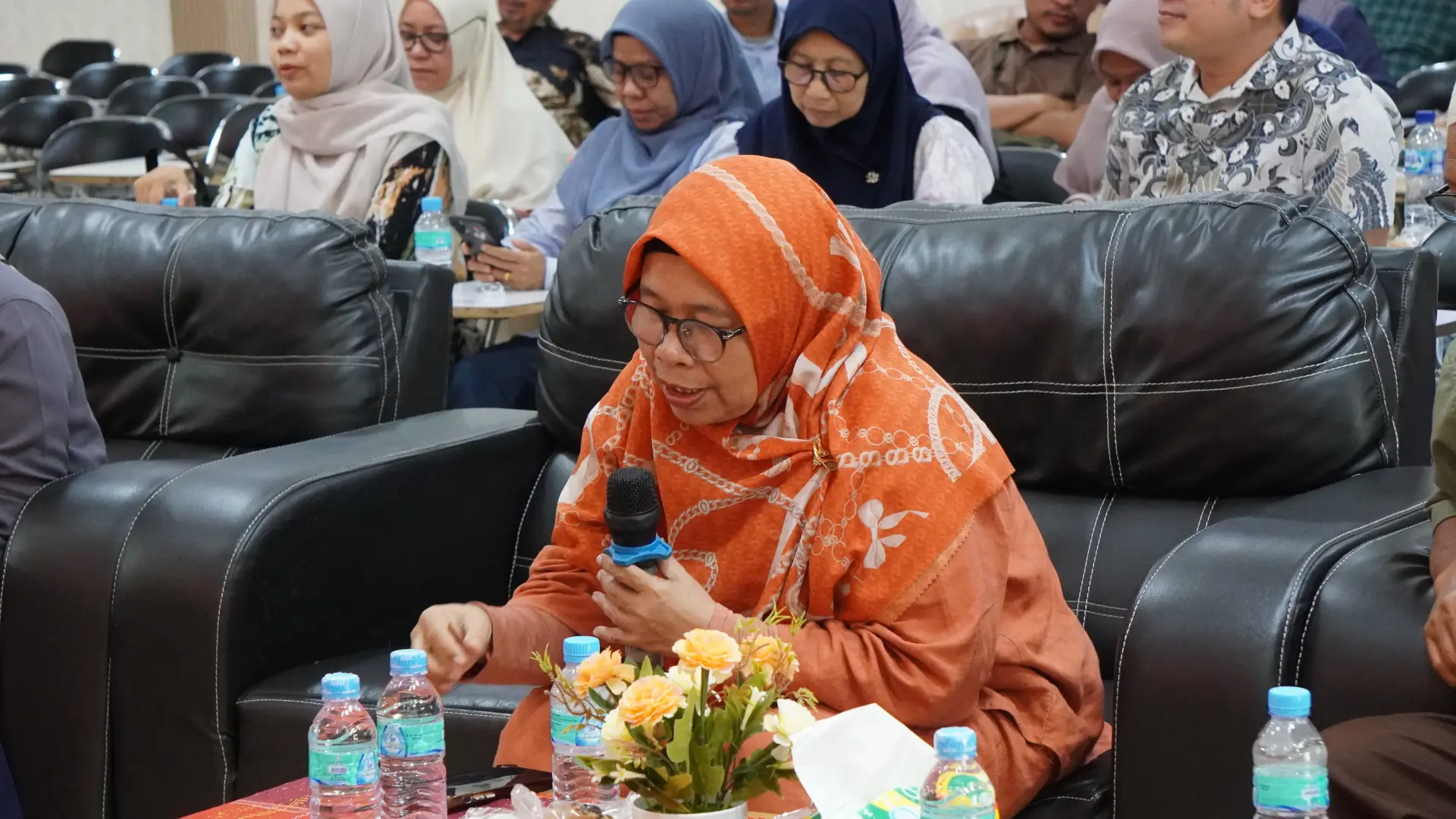
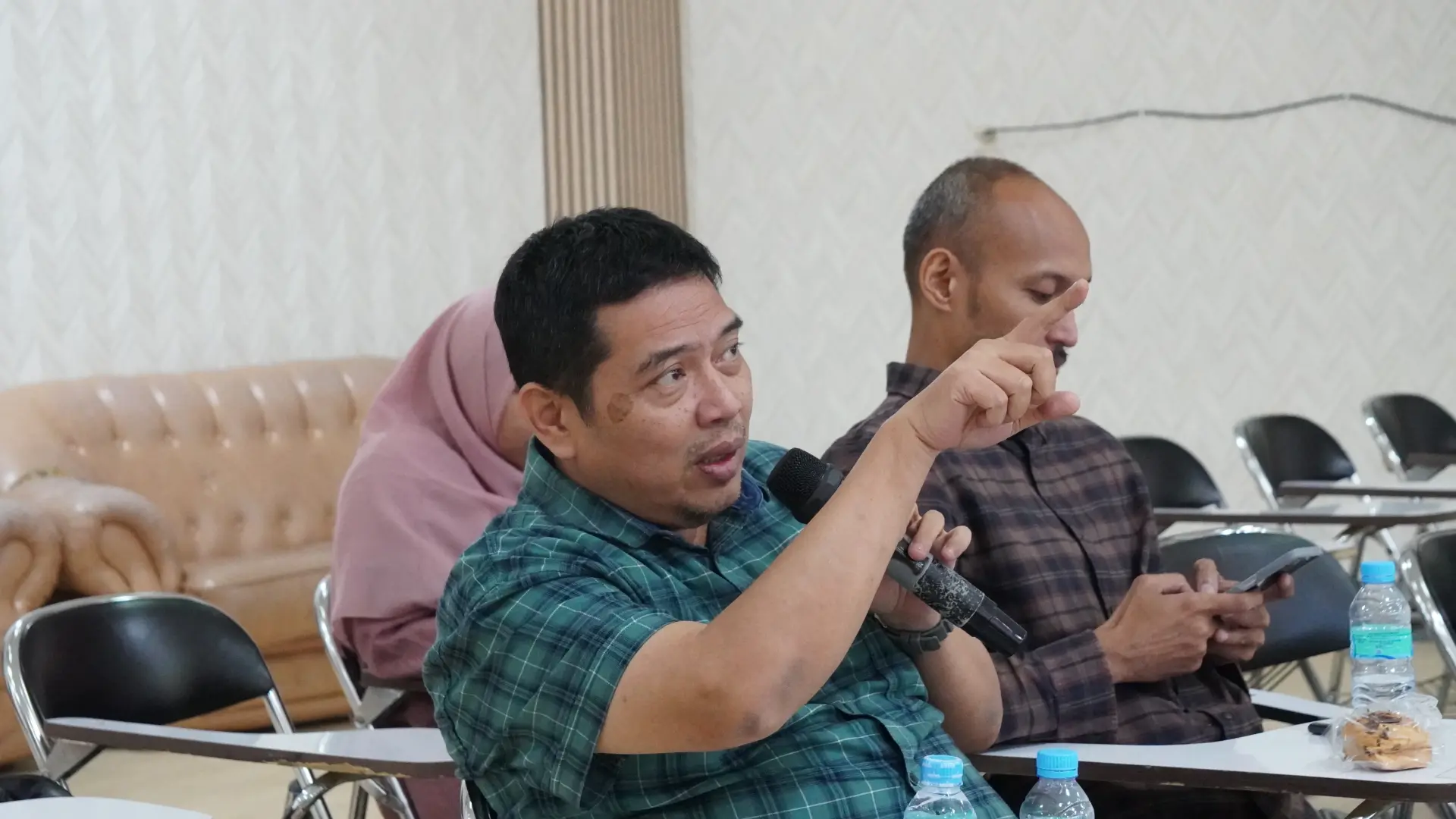
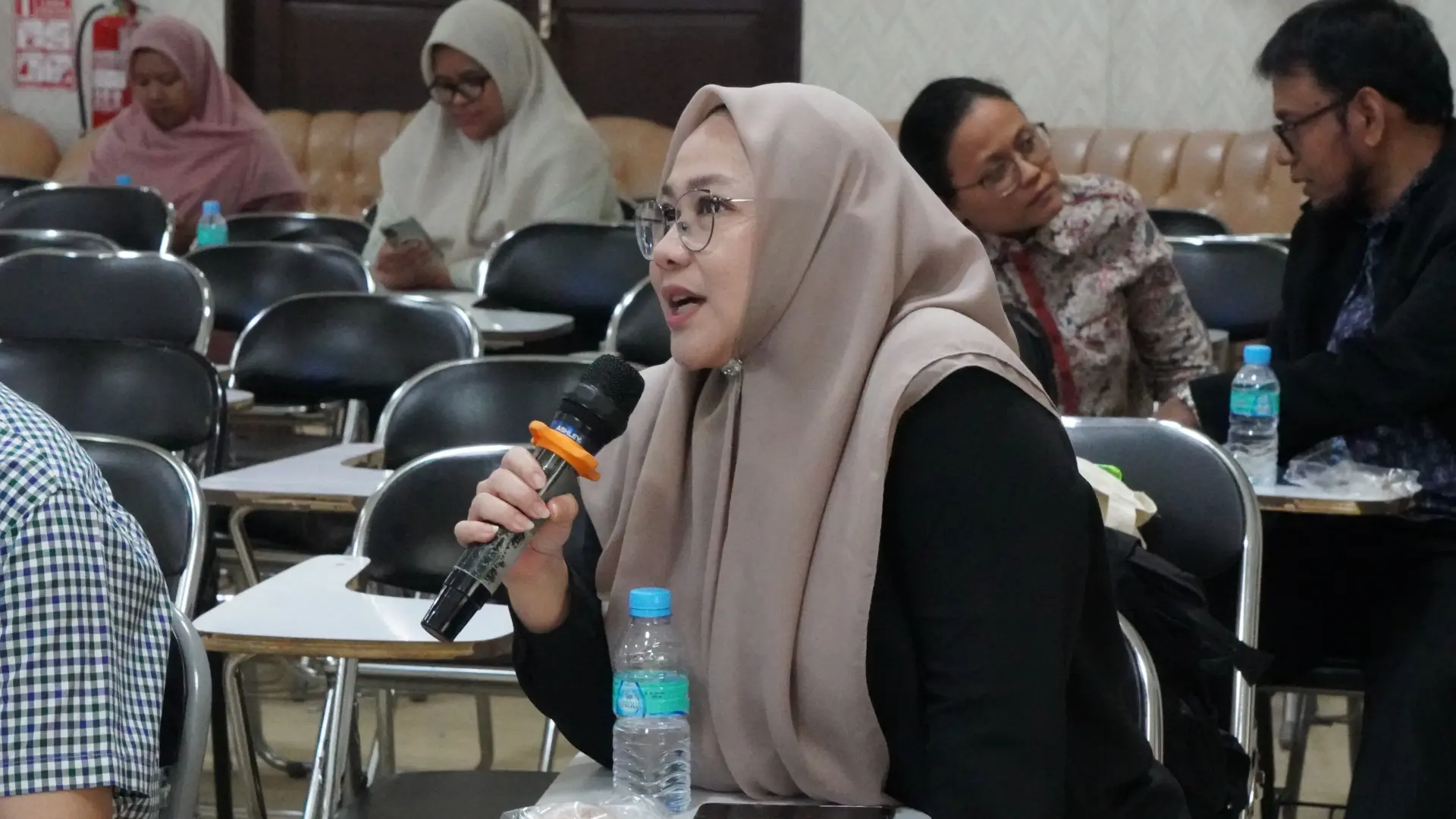
Medan - On September 17, 2026, the Faculty of Engineering USU held the Socialization of Academic Rewards and Lecturer Expertise Mapping at the Faculty of Engineering USU Hall.
The activity was attended by Prof. Dr. Ir. Renita Manurung, M.T. (Dean of the Faculty of Engineering); Prof. Dr. Ir. Rosdanelli Hasibuan, M.T. (Vice Dean for Education, Student Affairs, and Alumni Affairs); Ir. Muhammad Agung Putra Handana, S.T., M.T. (Vice Dean for Administration, Finance, Human Resources, and Academic Infrastructure); Zaid Perdana Nasution, S.T., M.T., Ph.D. (Vice Dean for Research, Community Service, Cooperation, and Internationalization); and lecturers within the Faculty of Engineering USU.
 |
 |
 |
 |
The activity was organized to support the implementation of learning that is aligned with lecturers' areas of expertise. Through expertise mapping, the Faculty seeks to establish a more structured information base for assessing lecturers' academic competencies and their relevance to the learning process in each Study Program.
The socialization also discussed academic rewards as part of efforts to strengthen academic performance. An understanding of appreciation mechanisms and expertise mapping is expected to encourage more effective management of academic resources and support continuous improvement in learning quality.
Through this activity, lecturers gained an understanding of lecturer expertise mapping and academic rewards in the context of improving the quality of Study Programs. The results of the socialization are expected to serve as a basis for internal follow-up according to the needs and academic policies of the Faculty of Engineering USU.
This activity primarily supports SDG 4 – Quality Education through strengthening the quality of the learning process and developing academic capacity. Its connection to SDG 16 – Peace, Justice and Strong Institutions is reflected in efforts to establish more structured, transparent, and competency-based academic governance.
FT USU is committed to strengthening academic management to support continuous improvement in the quality of Study Programs.