


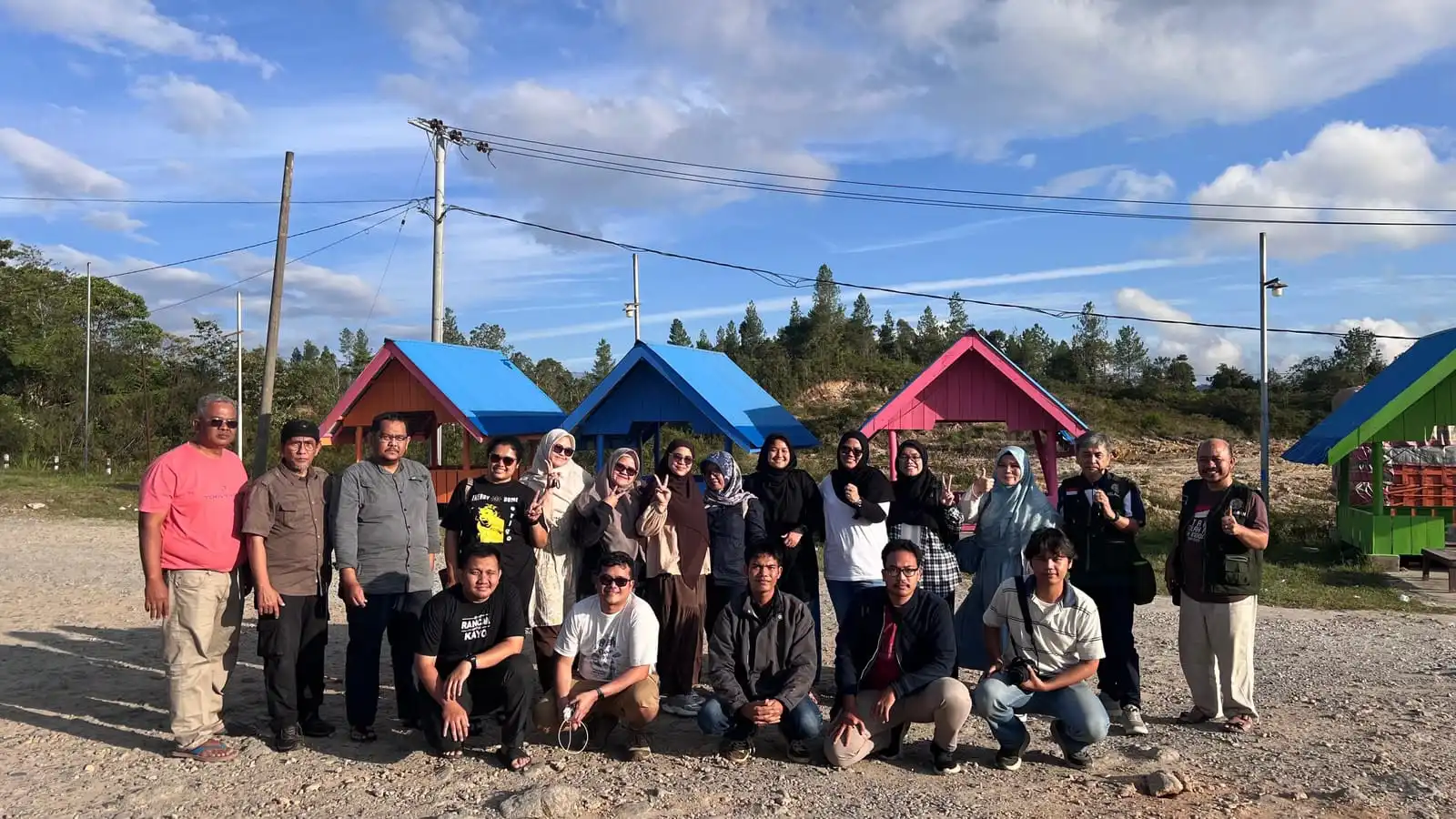
Central Tapanuli, 10–12 July 2026 – A community service team from the Faculty of Engineering, Universitas Sumatera Utara (USU), consisting of Yasmine Anggia Sari, S.Si., M.T., Ir. Ivan Indrawan, S.T., M.T., Novrida Harpah Hasibuan, S.Si., M.T., and Meidina Zulfa Hanie, S.T., M.T., launched a series of community engagement activities in areas affected by the 2025 floods. The initiative forms part of the university's implementation of the Tri Dharma of Higher Education, supporting post-disaster recovery efforts through community service.
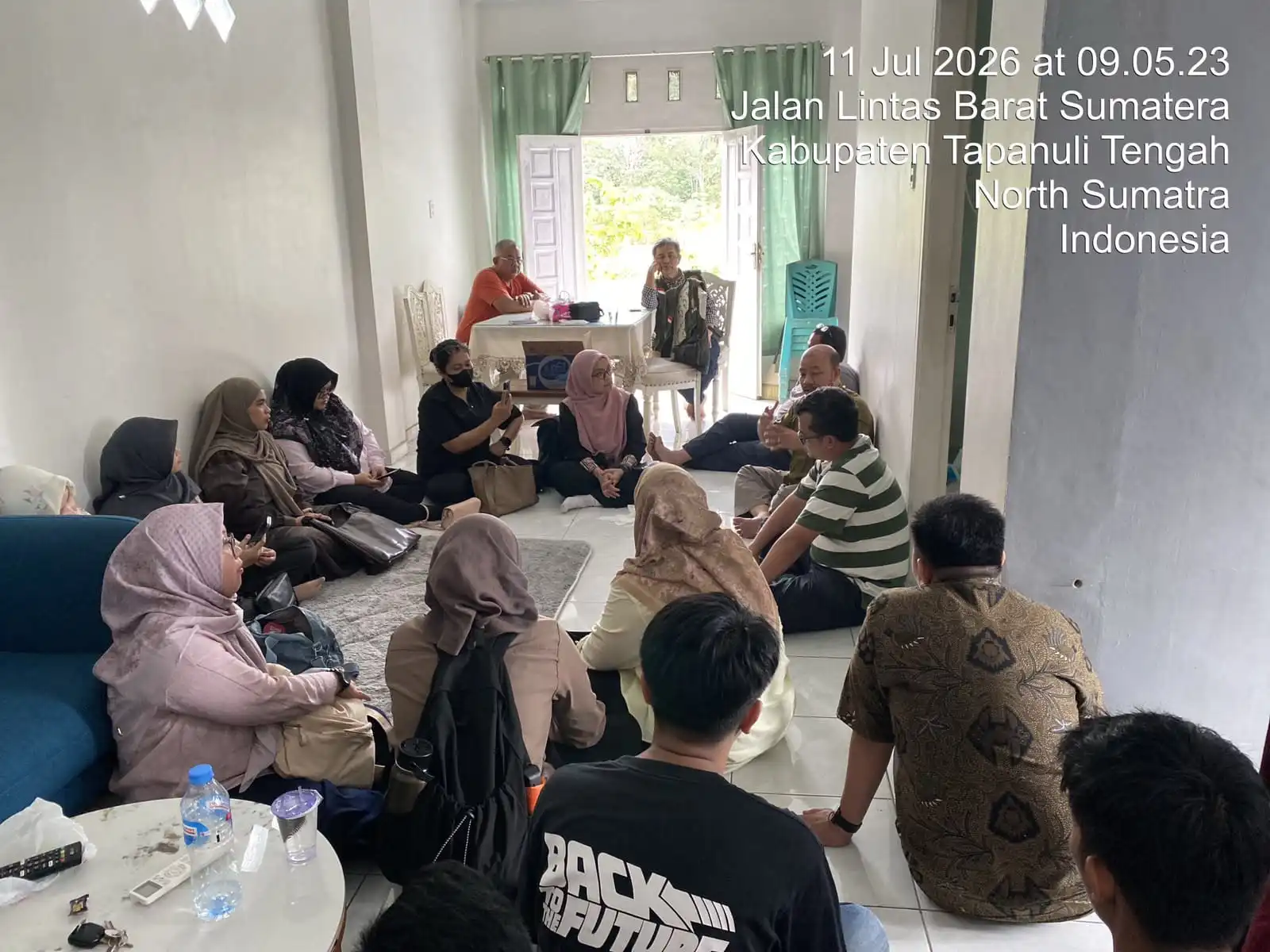
Before conducting field visits, the team held discussions and coordination meetings to develop an implementation strategy. The planning process included preparations for site observations, the collection of primary and secondary data, and the identification of community needs as the foundation for designing the community service program.
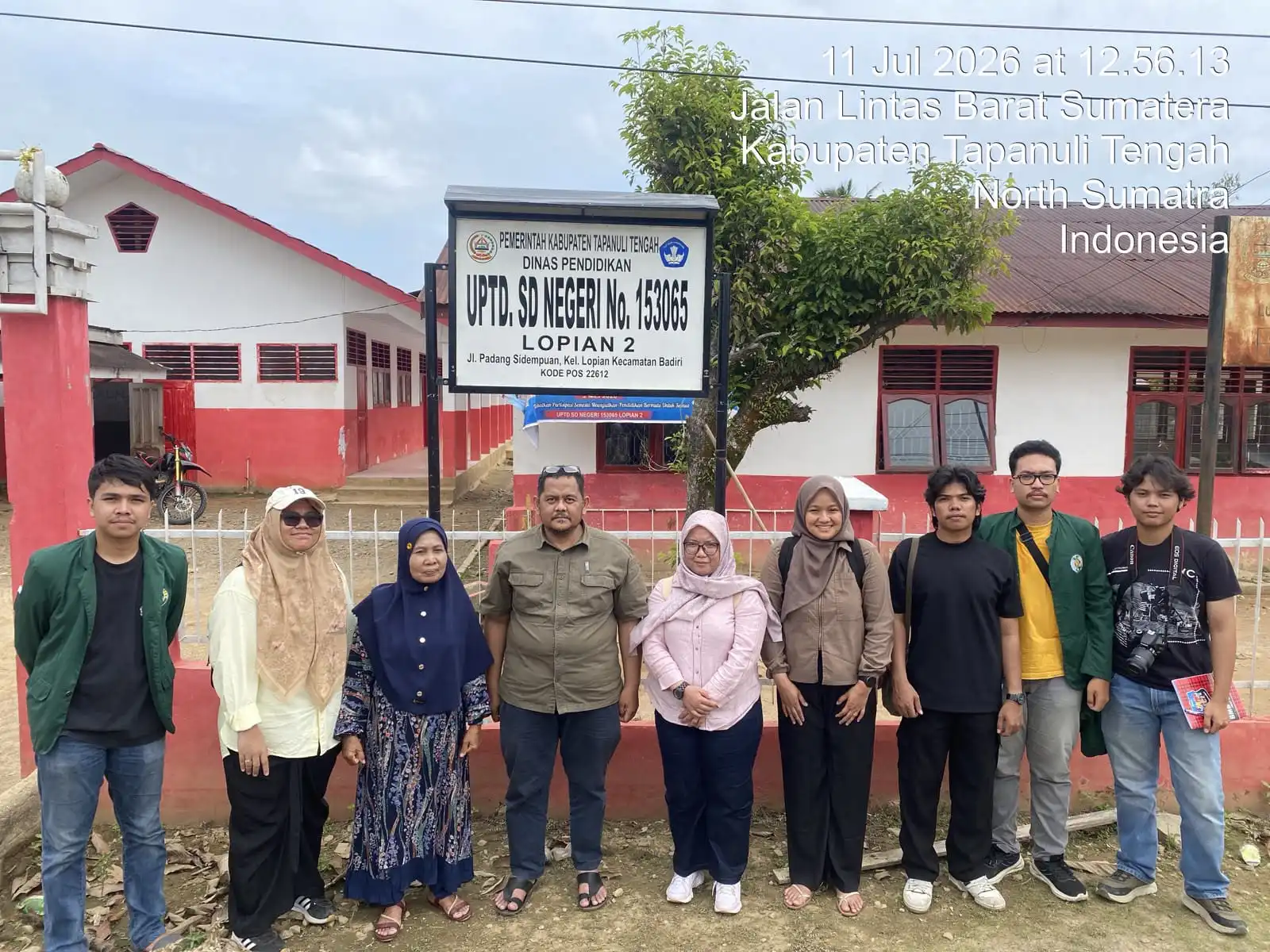
The team subsequently visited UPTD SD Negeri No. 153065 Lopian 2, one of the schools impacted by the 2025 floods. During the site visit, the team assessed the school's post-disaster condition, gathered information from school representatives, and identified key needs to support the planning of future assistance programs.
The information collected will serve as the basis for designing community service initiatives tailored to the school's specific needs. As the project is currently in the assessment phase, the long-term impact will depend on the development and implementation of programs based on the findings of this initial needs assessment.
This initiative primarily supports Sustainable Development Goal (SDG) 11: Sustainable Cities and Communities by assessing recovery needs in disaster-affected areas. It also contributes to SDG 4: Quality Education through efforts to support educational institutions during post-disaster recovery, and SDG 17: Partnerships for the Goals by promoting collaboration in addressing community recovery challenges.
The Faculty of Engineering, Universitas Sumatera Utara remains committed to developing community service initiatives that are responsive to local needs, grounded in scientific knowledge, and implemented through collaborative partnerships. Through this commitment, the faculty aims to support recovery efforts while strengthening long-term community resilience.