


.webp)
The Faculty of Engineering, Universitas Sumatera Utara, is strengthening research and development in the field of sustainable urban tourism through an international field study in Daejeon, South Korea, from 17–23 October 2026. This comparative study focuses on examining place identity to support improvements in the community's Quality of Life within the urban morphology contexts of Medan and Daejeon.
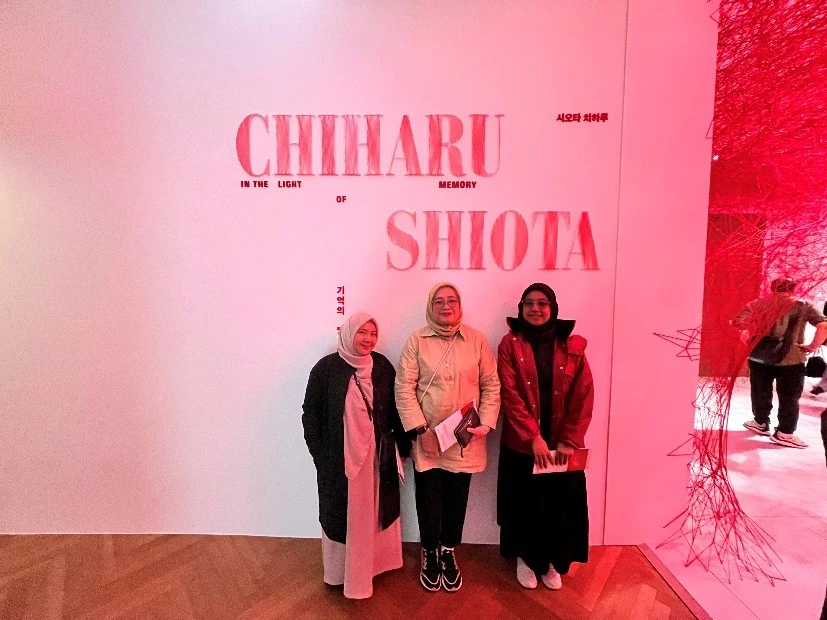
The research team is led by Prof. Ar. Ir. Nurlisa Ginting, M.Sc., Ph.D., IAI, together with Ar. Selly Veronica, S.T., M.T., IAI, a lecturer in the Architecture Study Program, Faculty of Engineering, Universitas Sumatera Utara, and Utari Ardha Damanik, S.Ars., a student in the Master's Program in Urban and Regional Planning, Faculty of Engineering, Universitas Sumatera Utara.
This study aims to understand how place identity is formed and maintained through the relationship between spatial characteristics, area functions, community activities, architectural heritage, and urban development patterns. This approach is an important part of identifying elements that can support sustainable urban tourism while maintaining the community's quality of life.
Using an observation method focused on urban spatial typologies, the team conducted observations in several areas of Daejeon that represent diverse tourism characteristics. The study locations included architectural and cultural heritage sites such as the Daejeon Museum of Art and Museum Heredium, science- and technology-oriented areas, Meeting, Incentive, Convention, and Exhibition (MICE) facilities such as the Daejeon Convention Center, downtown areas, and green open spaces.
Observations were also conducted at Yurim Park to examine the characteristics of public space utilization at night. The study of nighttime activities formed part of the analysis to understand the relationship between open spaces, community activities, visitor experiences, and the potential development of the nighttime economy in the context of urban tourism.
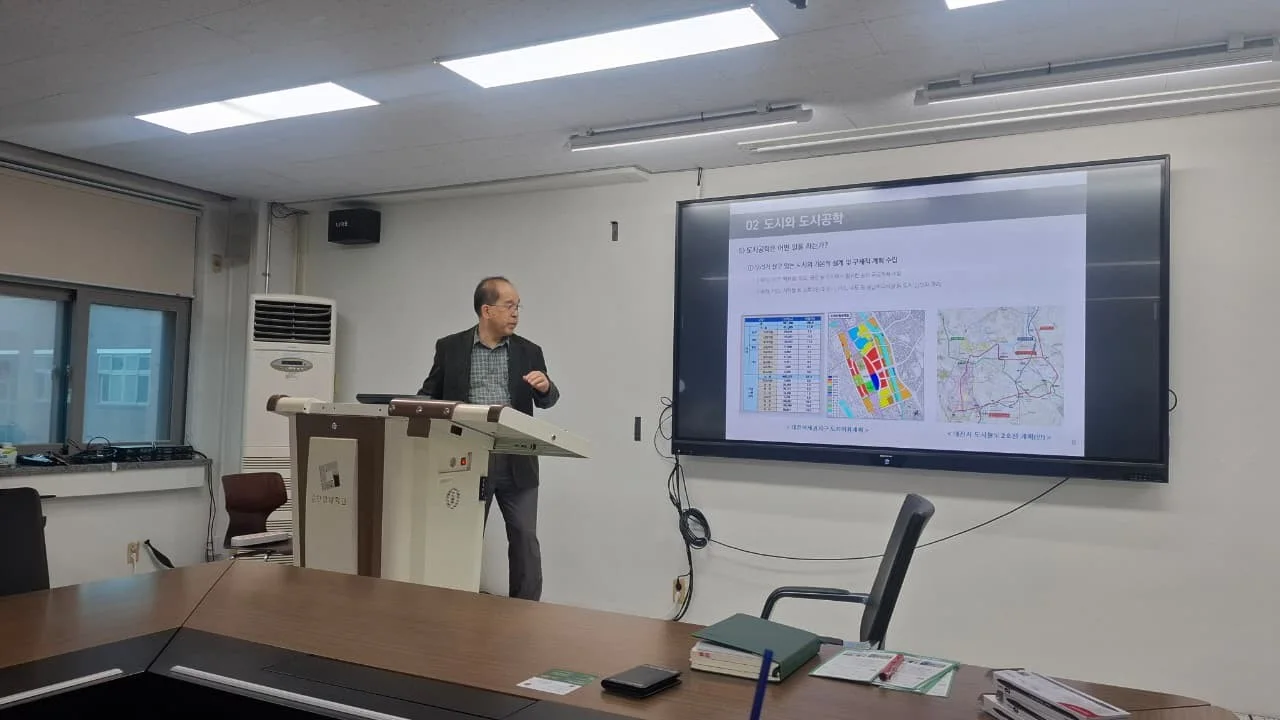
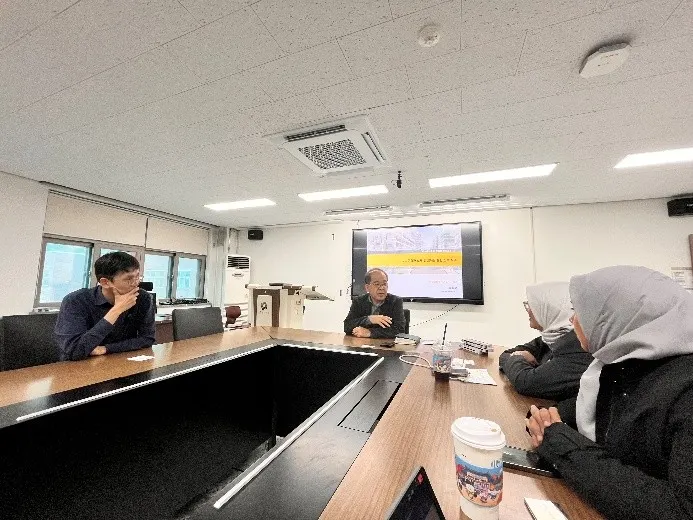
The field study was further strengthened through an academic peer discussion with Prof. Youn Taik Leem and Prof. Seung Ho Yang from Hanbat National University. The discussion addressed urban planning approaches, the integration of urban design elements, and community-based sustainability strategies implemented in the context of Daejeon's development.
Through the comparison between Medan and Daejeon, the research team seeks to gain broader perspectives on how local characteristics can be preserved amid urban development. The observations and academic discussions are expected to contribute to the scientific foundation for developing urban tourism approaches that consider place identity, environmental sustainability, and community quality of life.
In the context of the Sustainable Development Goals (SDGs), this research is related to SDG 11 – Sustainable Cities and Communities, through the study of sustainable cities and public spaces; SDG 3 – Good Health and Well-Being, through its focus on community quality of life; SDG 8 – Decent Work and Economic Growth, through the study of potential urban economic activities and the nighttime economy; and SDG 17 – Partnerships for the Goals, through cross-country academic collaboration.
Through this Medan–Daejeon comparative research, the Faculty of Engineering, Universitas Sumatera Utara, continues to encourage research development that is not only oriented toward academic contributions but is also relevant to urban planning needs, sustainable tourism development, and improvements in community quality of life, serving as a knowledge base for sustainable urban development.