


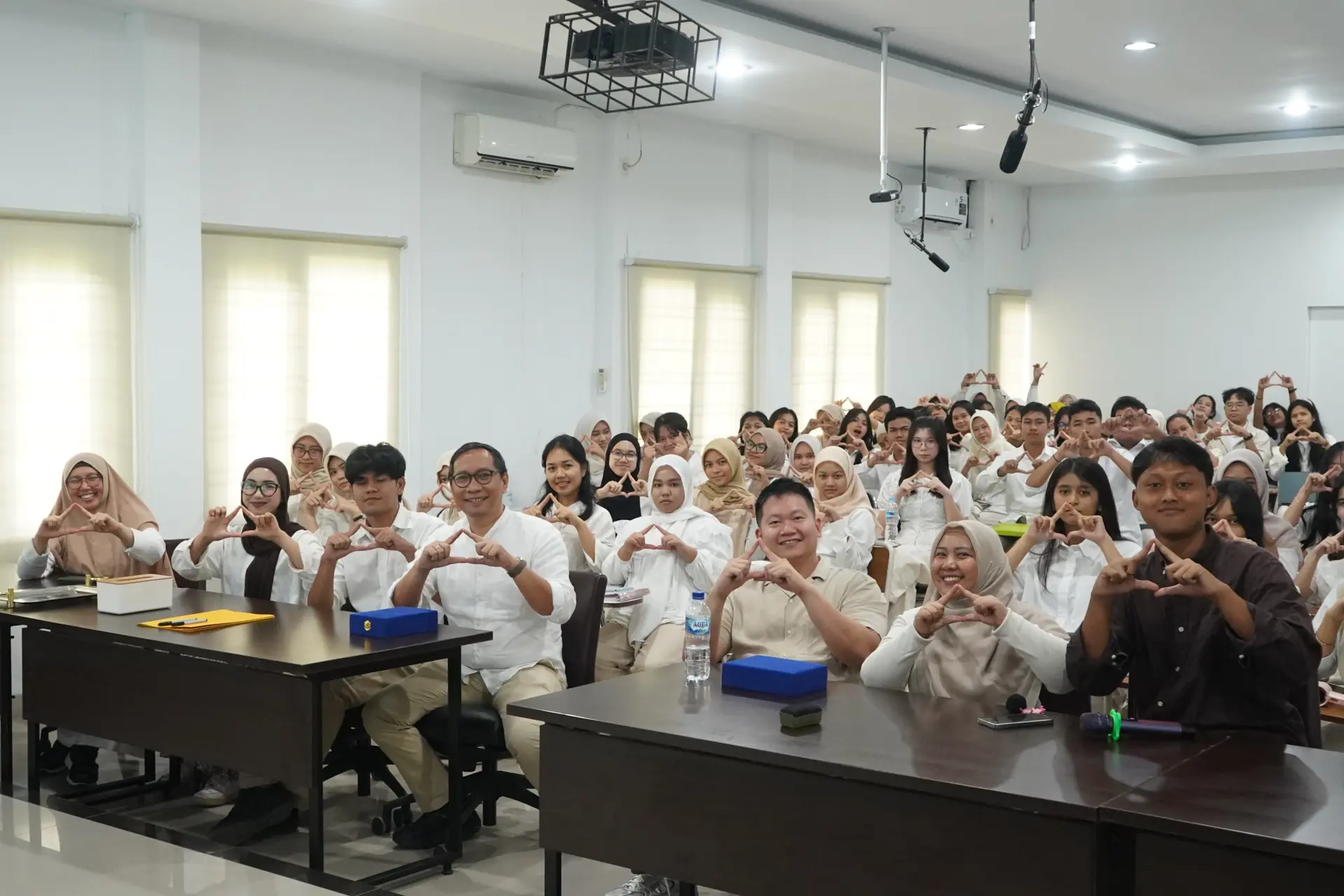
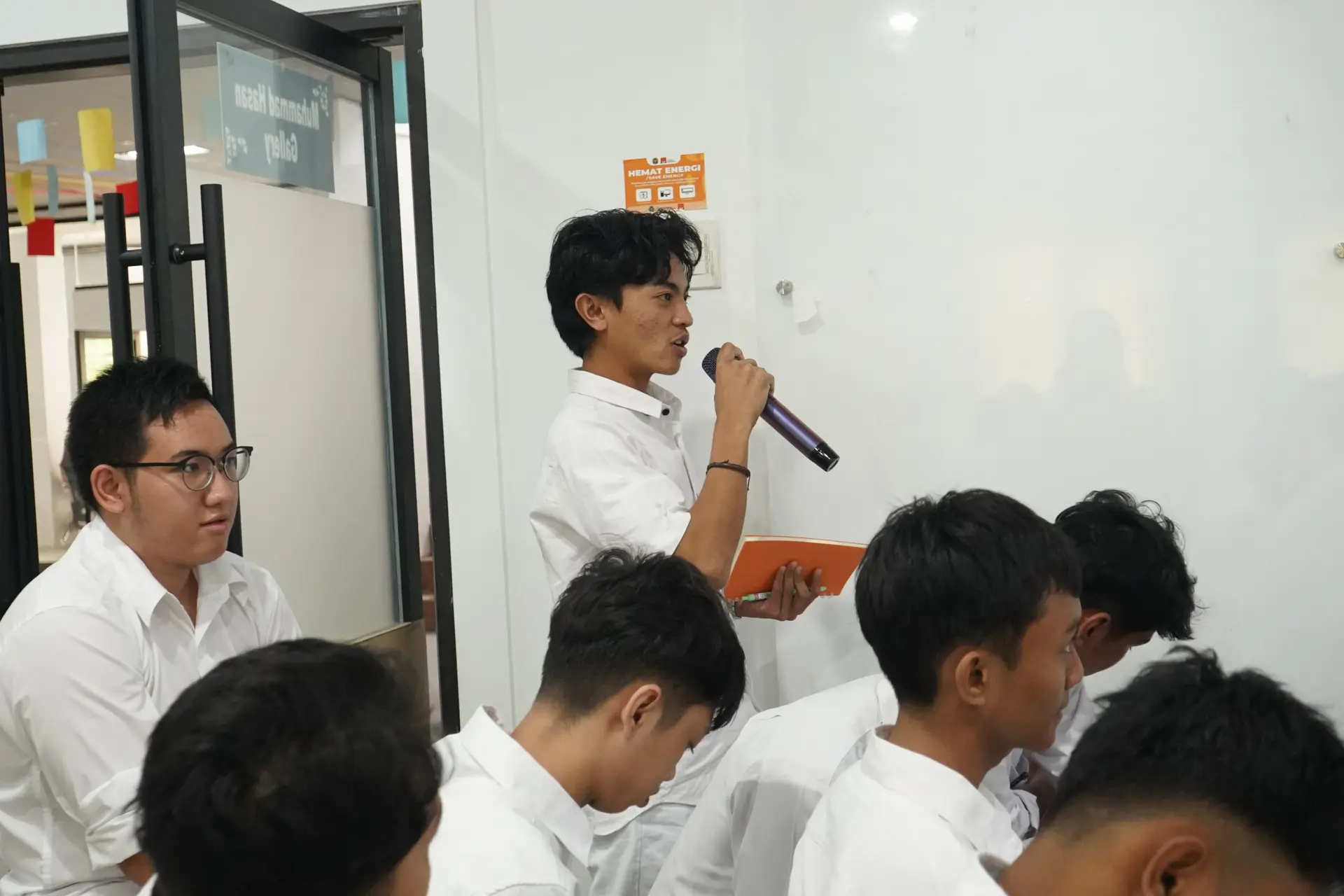
On the second day of Architecture Open Days and Exhibition (ARCODE) 2026, held on August 28, 2026, the Architecture Study Program, Faculty of Engineering, Universitas Sumatera Utara, organized a series of professional talk shows. The forum brought together architecture practitioners to share their design approaches and experiences in developing professional practices.
 |
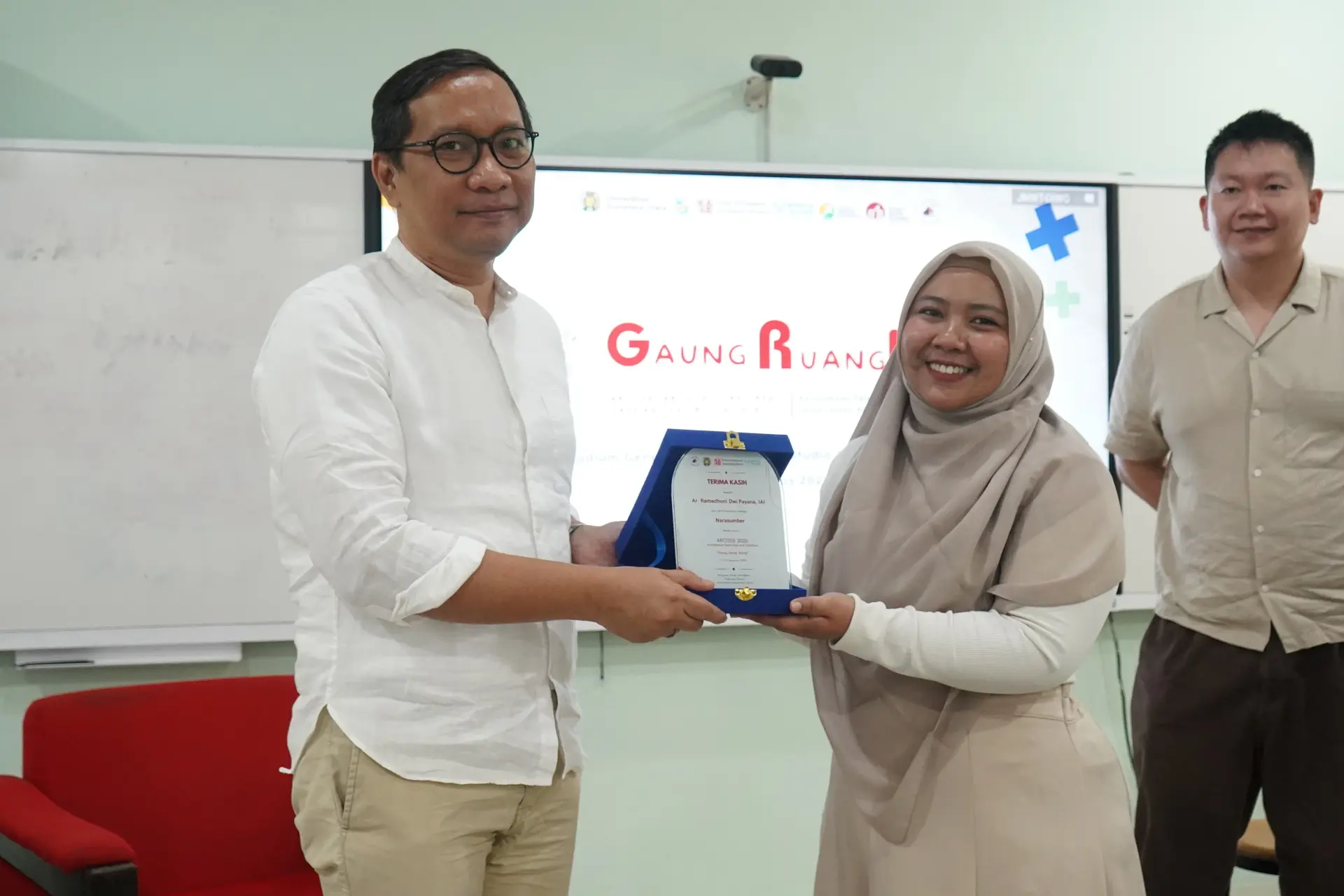 |
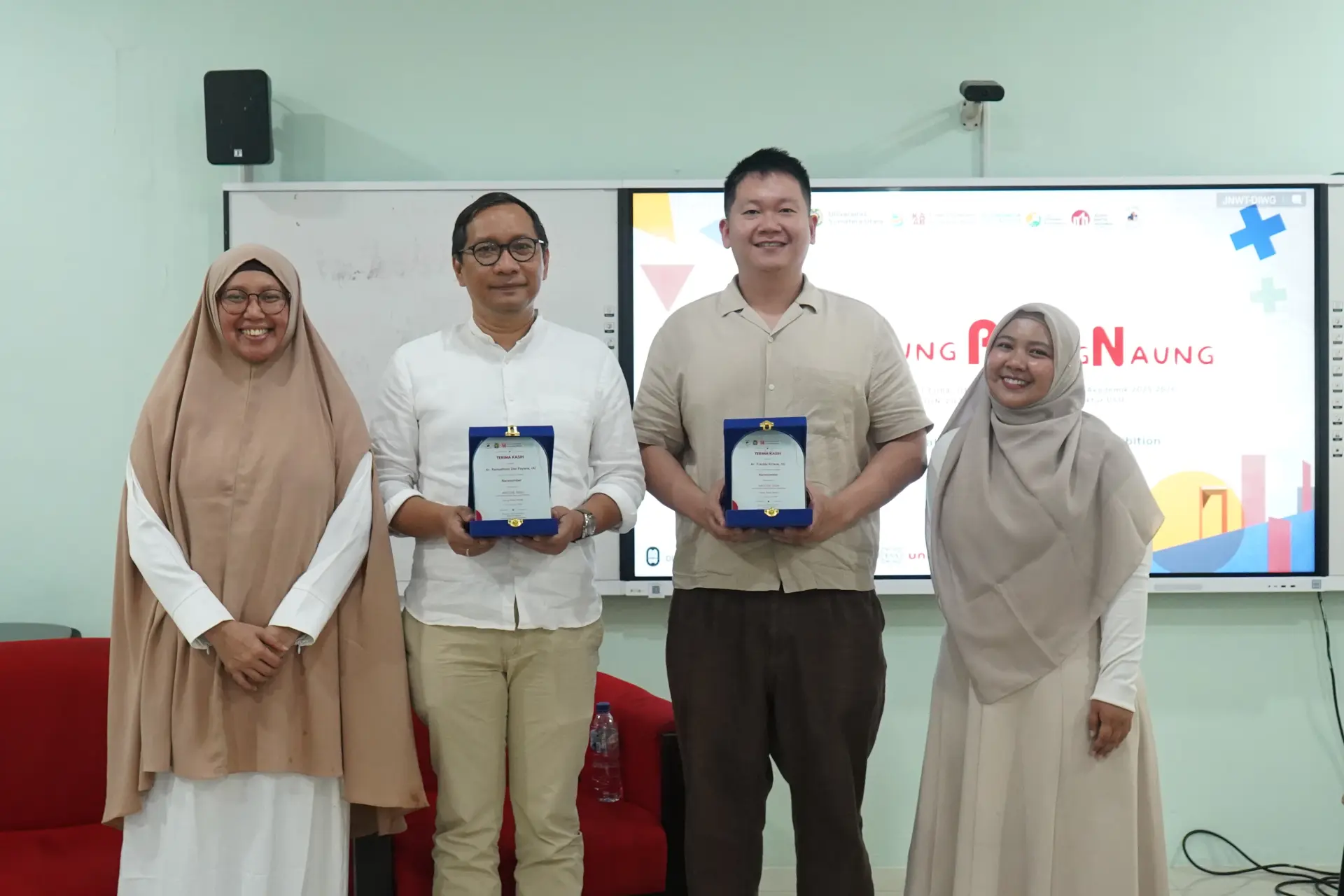
- Ar. Ramadhoni Dwi Payana, IAI, discussed how narratives and Medan’s local wisdom can be translated into the language of contemporary space.
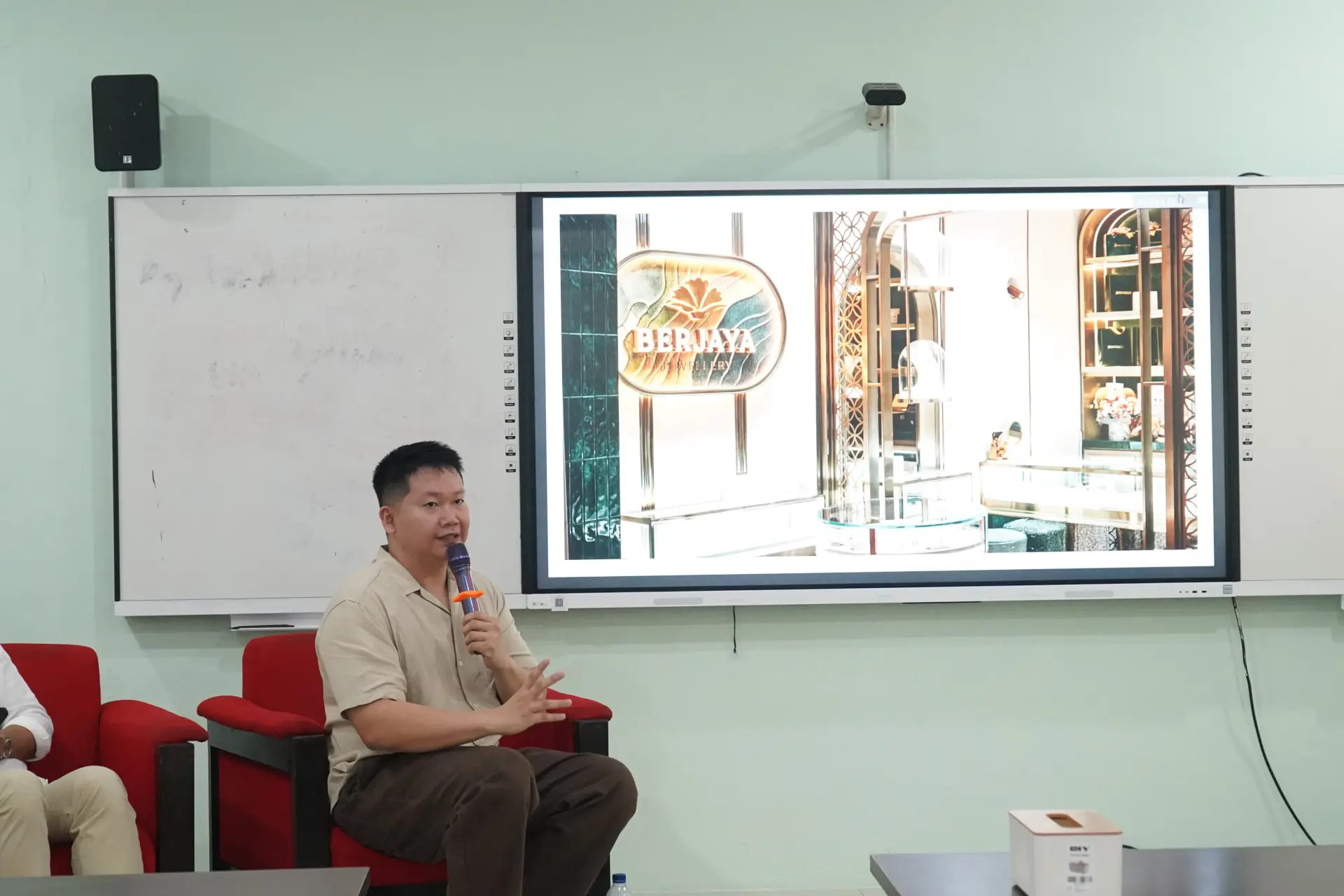
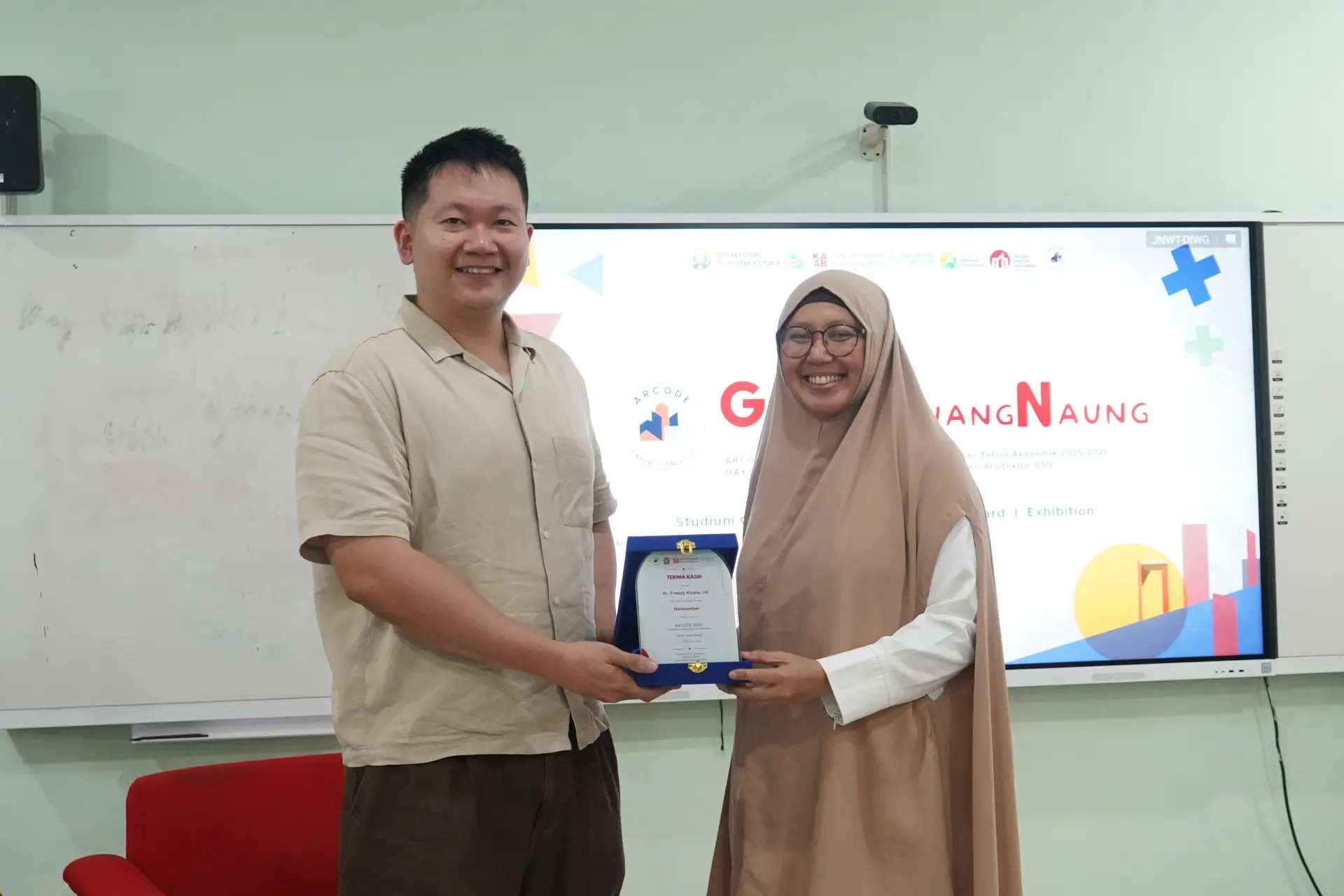
- Ar. Freddy Kirana, IAI, explored strategies for designing commercial and public spaces that are distinctive while maintaining an economic orientation.
The series of sessions also highlighted the strength of alumni networks in fostering collaborative architecture studios.
The speakers encouraged participants to view local wisdom as a source of ideas that can be continuously developed throughout the design process. Medan’s identity, characterized by its cultural diversity and distinctive urban character, was considered to have significant potential as a foundation for creating spaces that are distinctive, contextual, and adaptable to developments in contemporary design.
 |
 |
Through these sessions, participants gained the perspective that incorporating local wisdom into contemporary design does not necessarily have to be done literally. Local values, narratives, patterns, and characteristics can be creatively reinterpreted to produce modern designs while maintaining a connection to the identity of the place. This approach also creates opportunities for more authentic spaces that provide added social and economic value.
The event is expected to broaden participants’ understanding of the importance of integrating local context, contemporary design approaches, and economic considerations into the design process. In this way, designed spaces can not only fulfill their functions and users’ needs but also represent local identity in an adaptive, distinctive, and sustainable manner over the long term.
 |
This activity most strongly supports SDG 4: Quality Education through direct learning from professional practitioners. Its focus on strategies for designing commercial spaces oriented toward economic value and business sustainability is relevant to SDG 8: Decent Work and Economic Growth, while its emphasis on public space design, local identity, urban context, and the preservation of cultural values in the built environment supports SDG 11: Sustainable Cities and Communities.