


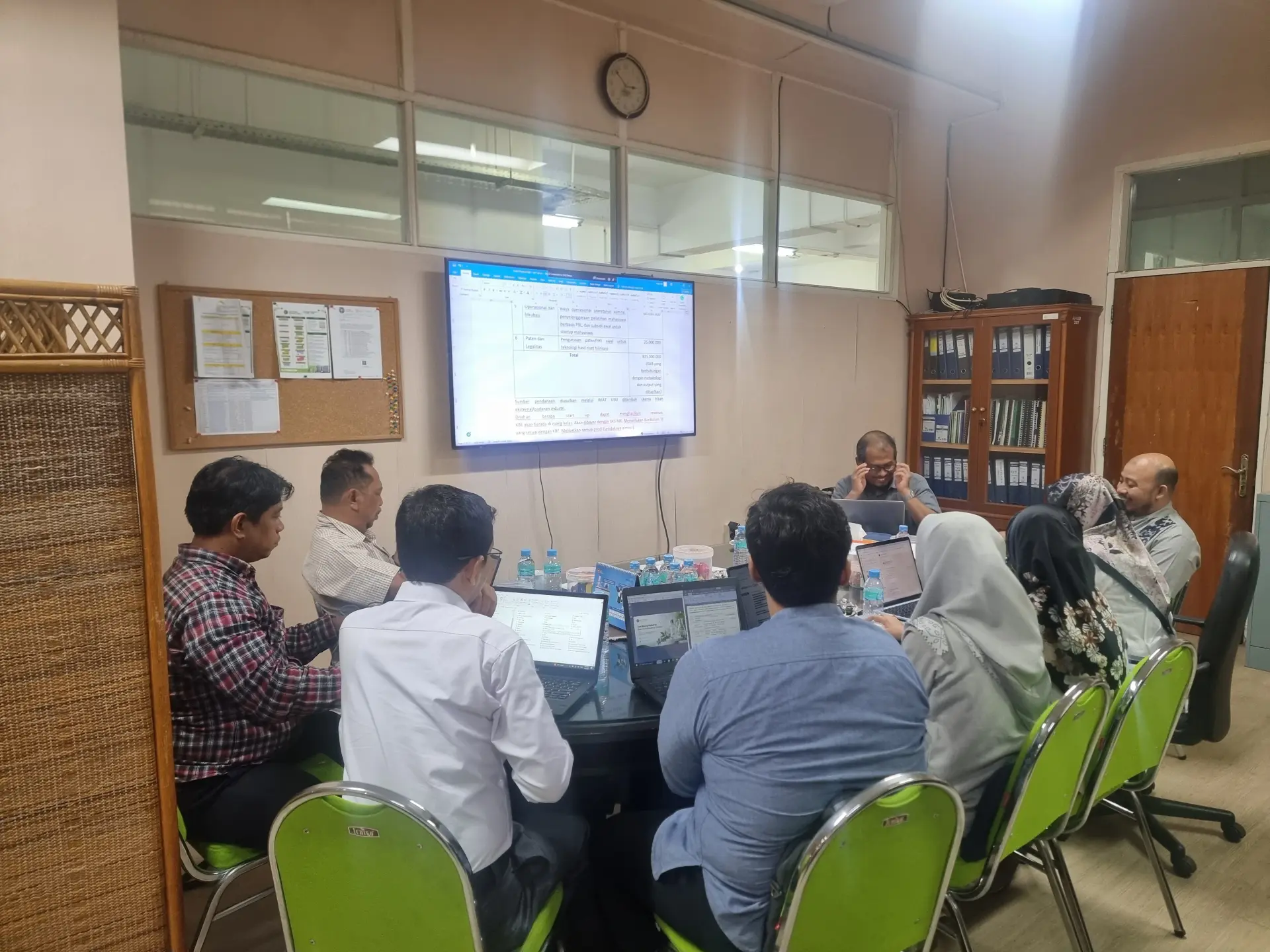
In response to this challenge, the Faculty of Engineering, Universitas Sumatera Utara (USU) convened a Progress Evaluation Meeting for its Knowledge-Based Economy (KBE) framework. The meeting formed part of the Faculty's ongoing efforts to review the development of the KBE initiative, which is designed to strengthen research downstreaming, technological innovation, and the utilization of strategic oil palm biomass resources.
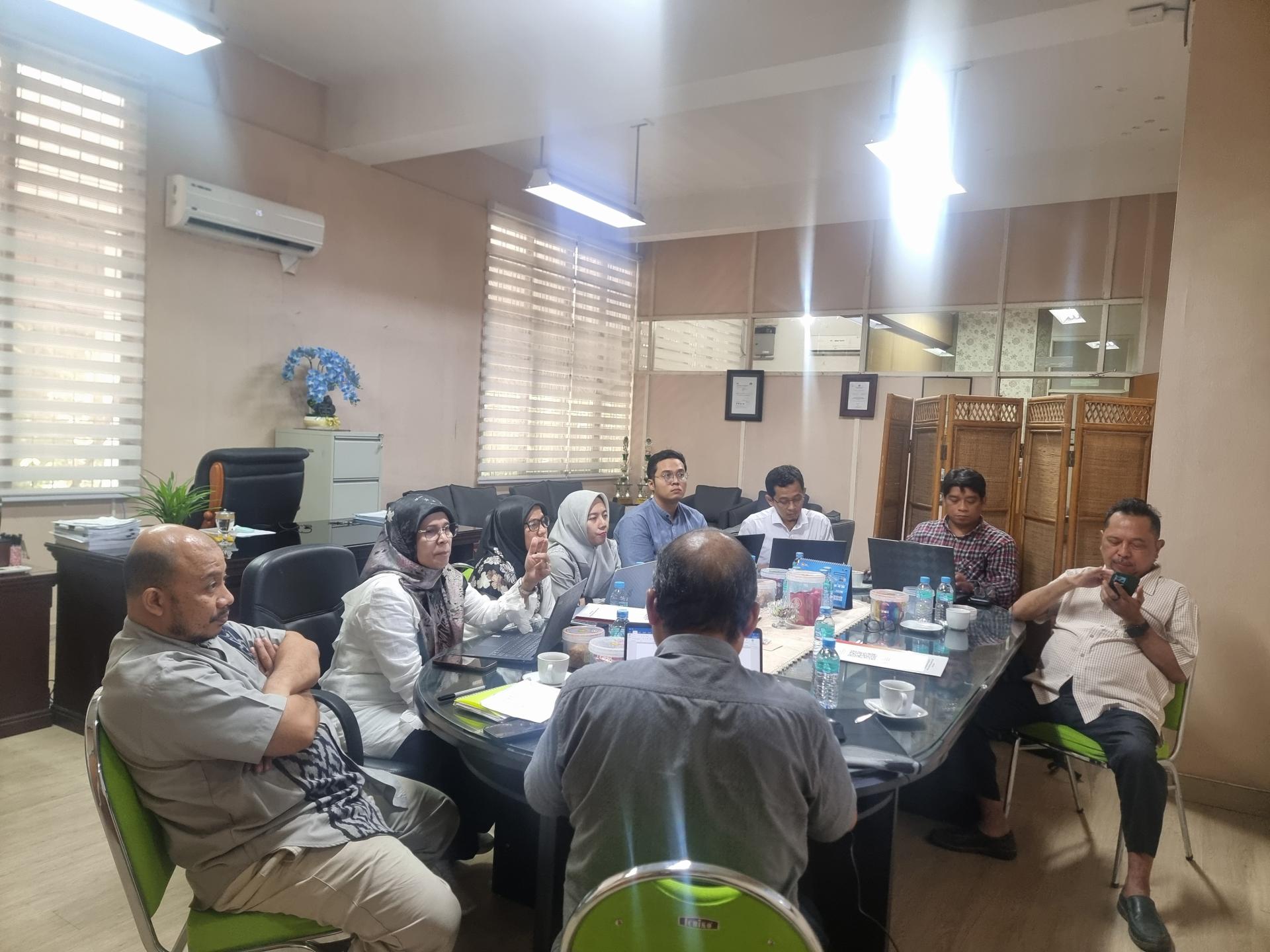
The evaluation focused on the future direction of the KBE initiative within the Faculty of Engineering, particularly in accelerating the transition from a conventional resource-based economy to one driven by knowledge, innovation, and technology. Through this discussion, the Faculty sought to formulate a more strategic roadmap for integrating its academic expertise, research capabilities, and engineering innovations.
One of the primary areas of focus in the KBE framework is the utilization of oil palm biomass—including empty fruit bunches, palm kernel shells, fronds, and other biomass residues—through thermochemical technologies. At this early stage, biomass pyrolysis has emerged as one of the technologies that has been successfully developed within the Faculty of Engineering and holds significant potential for interdisciplinary collaboration across study programs and even across faculties.
Through this progress evaluation, the Faculty further strengthened the mapping of its research potential, technological capabilities, academic resources, and opportunities for collaboration with industry and the business sector. This approach is expected to support the establishment of a Knowledge-Based Economy ecosystem that extends beyond scientific advancement to encompass green technology commercialization and the development of a palm oil–based circular economy.
The KBE development initiative also has the potential to enhance institutional performance, expand strategic partnerships, and create opportunities for developing high-value products derived from biomass. Through systematic planning, the Faculty of Engineering aims to strengthen the University's contribution to delivering engineering solutions that address the needs of society, industry, and the environment.
This initiative supports the achievement of the Sustainable Development Goals (SDGs), particularly SDG 9 (Industry, Innovation and Infrastructure), by fostering technological innovation and strengthening research capacity. It also contributes to SDG 12 (Responsible Consumption and Production) through the sustainable utilization of biomass resources, SDG 17 (Partnerships for the Goals) by promoting collaboration among academia, industry, and other stakeholders, and SDG 8 (Decent Work and Economic Growth) through innovation-driven economic development and value creation.
The Faculty of Engineering, Universitas Sumatera Utara, remains committed to advancing research, technological innovation, commercialization, and strategic partnerships that support sustainable development. Through its Engineering for Sustainable Impact approach, the Faculty continues to reinforce its role in delivering engineering-based solutions that contribute to the advancement of a knowledge-based economy.