


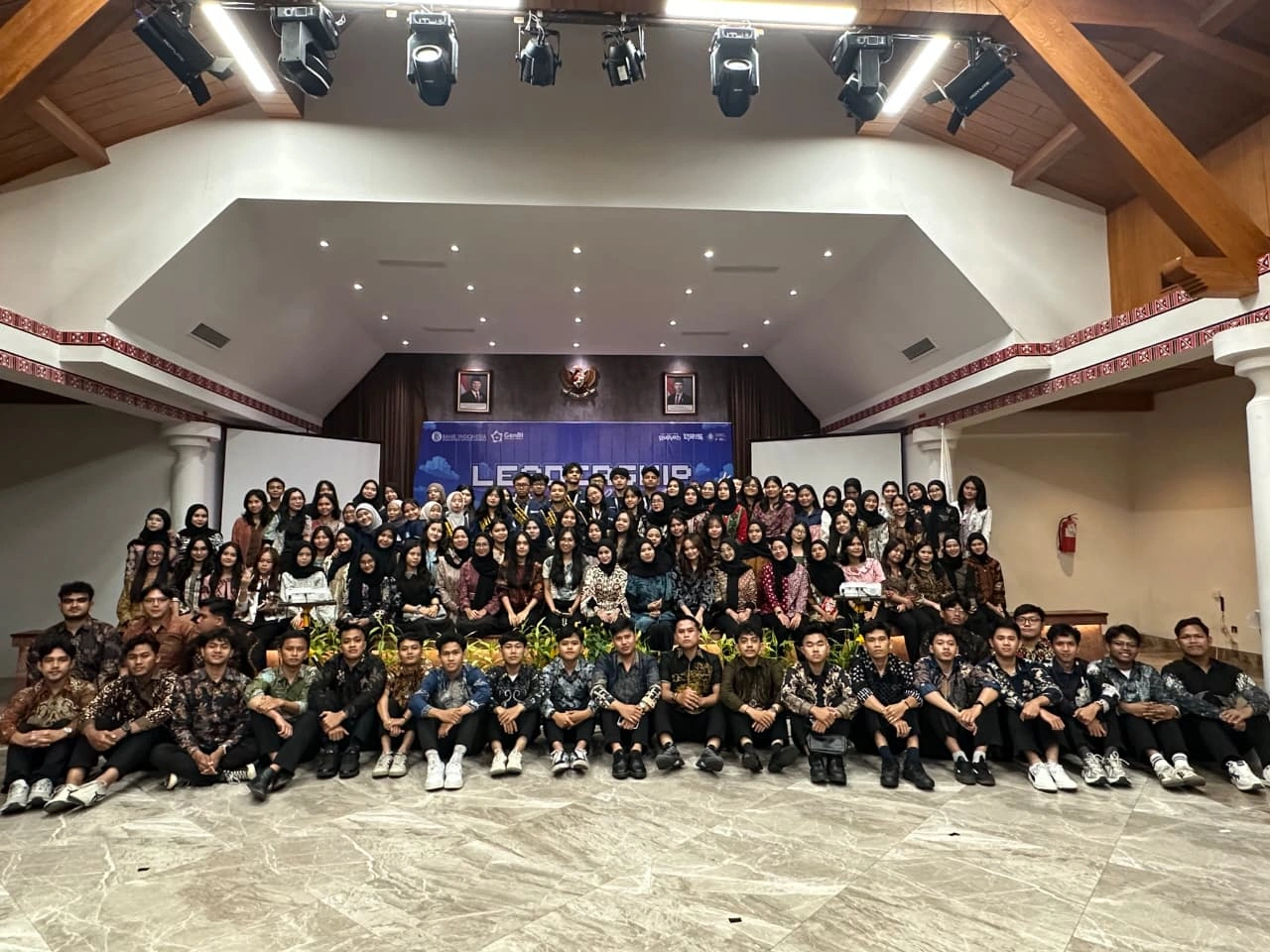
Five students from the Faculty of Engineering, Universitas Sumatera Utara, participated in the Capacity Building and Leadership Camp for Bank Indonesia Scholarship recipients on September 7–9, 2026, at Hotel Niagara, Parapat. The participants from FT USU were Patrick Immanuel Silalahi, Patricia Yosefine Ambarita, Helzini Dara Rifadlia, Mhd. Aditya Rizqy, and Muhammad Rafli Arrayyan.
The activity, organized by Bank Indonesia, served as a platform for scholarship recipients to broaden their knowledge of central banking while developing their leadership capacity. On the first day, participants attended a seminar covering QRIS education and the Love, Be Proud of, and Understand the Rupiah material.
The sessions also introduced the three roles of Generasi Baru Indonesia (GenBI), namely Frontliner, Agent of Change, and Future Leader. Through these materials, participants were encouraged to understand leadership as the ability to influence, direct, and mobilize others to achieve common goals, rather than merely as a formal position.
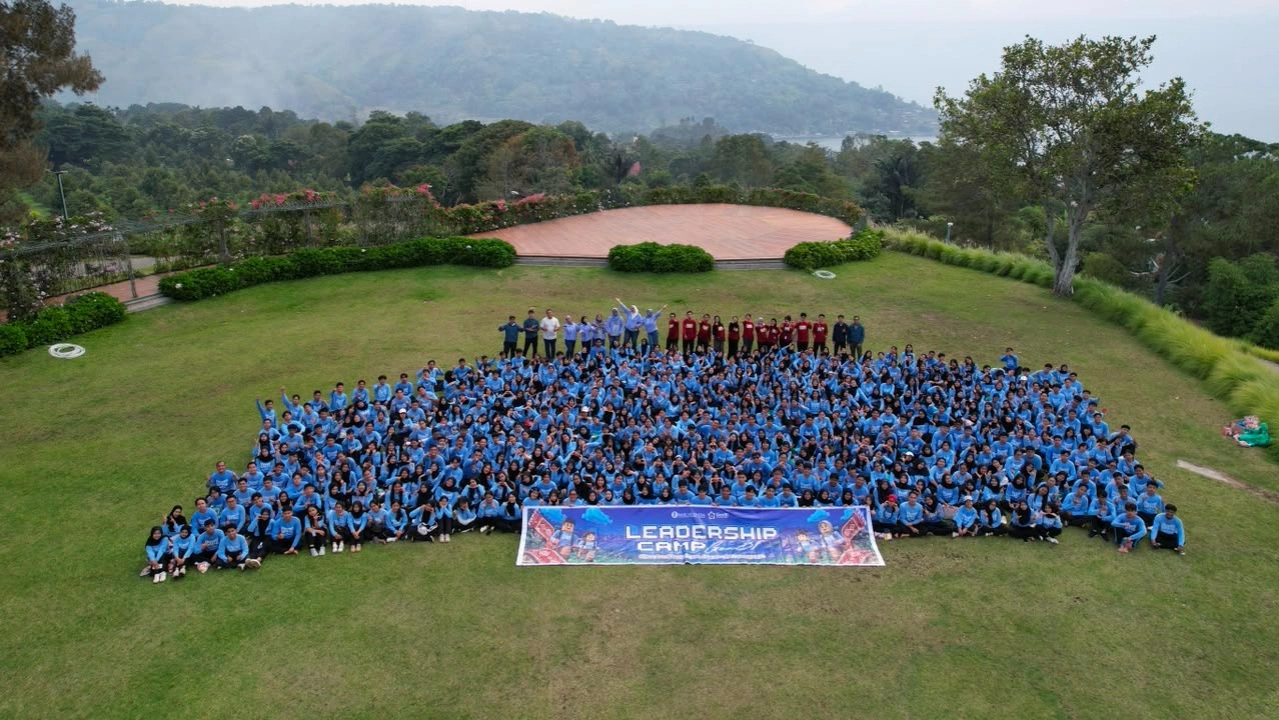
The following days featured outbound activities consisting of fun games and team-building games. These group activities provided opportunities for participants from various commissariats to practice communication, cooperation, team cohesion, trust, and collaborative problem-solving.
The activity also included the Handover of Positions of GenBI 13 North Sumatra, marking the beginning of the new management period. This moment connected leadership learning with the organizational responsibilities to be undertaken by GenBI members.
The participation of FT USU students supports SDG 4—Quality Education through out-of-classroom learning and the development of leadership skills. Central banking literacy and digital payment materials are also related to SDG 8—Decent Work and Economic Growth, while the collaboration between FT USU and Bank Indonesia reflects SDG 17—Partnerships for the Goals.
FT USU encourages students to use this experience to strengthen their sense of responsibility, decision-making skills, and positive contributions within the campus and society. The subsequent impact of the activity will depend on the application of the knowledge and skills gained in academic, organizational, and community service activities.